 How-to
How to Get Rid of Raccoons in Attic: Step-by-Step Removal
Table of Contents
- How to Tell If You Have Raccoons in Your Attic
- Finding Entry Points: Where Raccoons Get In
- Humane Raccoon Removal Methods
- Step-by-Step Deterrent Strategies
- How to Keep Raccoons Out of Your Attic
- Raccoon Attic Cleanup and Health Safety
- When to Call a Professional Wildlife Expert
- Frequently Asked Questions
Last Updated: October 14, 2026
How to Tell If You Have Raccoons in Your Attic
The first step to solving a raccoon problem is confirming you have one, since learning how to get rid of raccoons in attic starts with verification. Many homeowners confuse raccoon activity with other wildlife or normal house sounds.
Common Noises and Sounds
Raccoons are loud, not quiet like mice or bats, and are most active at dusk and dawn. Noise at night that sounds like something heavy moving around is a strong sign. Raccoons weigh 15-20 pounds.
Physical Signs and Damage
Raccoons tear things apart, damaging insulation, walls, and anything soft.
If your insulation looks like something went through it with claws, you likely have a raccoon problem.
Droppings and Nesting Evidence
Raccoon droppings are distinctive and dangerous. They're larger than rat droppings and often contain undigested food particles.
Never touch raccoon droppings without protection. They can carry harmful parasites and diseases. Finding droppings confirms you have raccoons.
Finding Entry Points: Where Raccoons Get In
Raccoons get in through openings. Finding these entry points is critical because you'll need to seal them after removal.
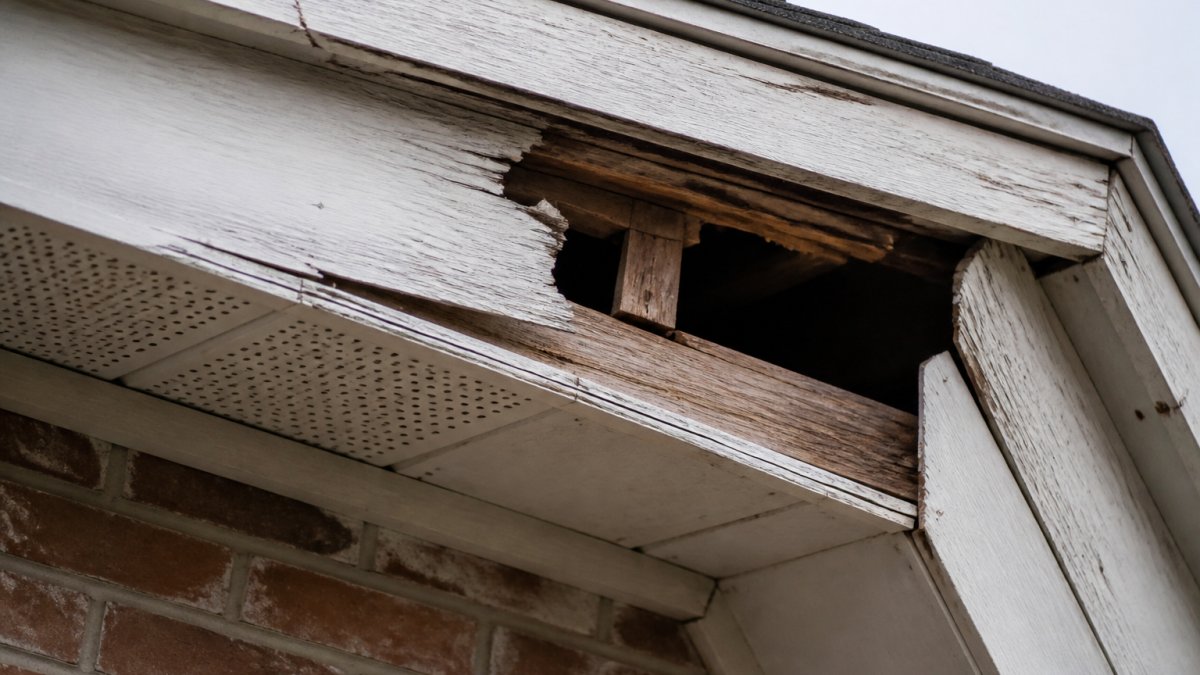
Roof and Soffit Openings
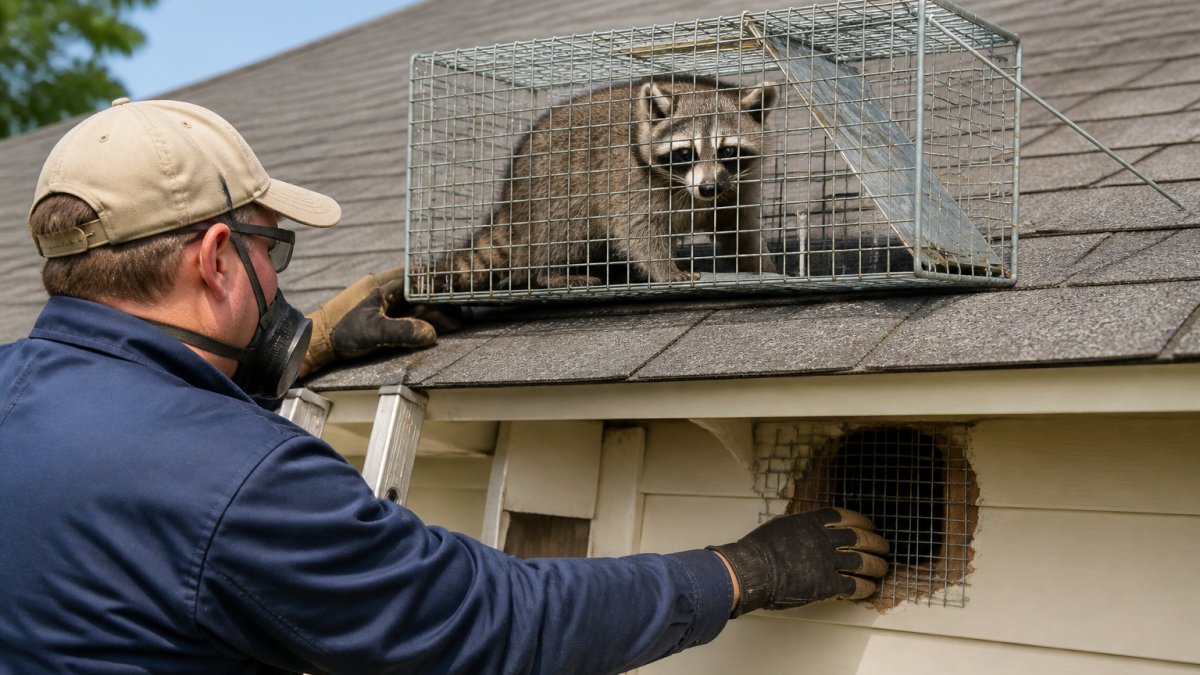
The roof is the most common entry point. Raccoons are excellent climbers that scale trees, gutters, and downspouts to reach it, and a gap the size of a quarter is enough. Inspect your entire roofline for rotted, separated, or missing wood.
Chimney and Vent Damage
Chimneys are easy access points. Raccoons climb down chimneys to enter attics. Vents also provide entry.
A missing chimney cap or a single damaged vent can give raccoons access to your entire attic.
Humane Raccoon Removal Methods
Once you've confirmed raccoons are in your attic, knowing how to get rid of raccoons in attic means removal is next. The goal is to get them out safely and humanely without harming the animals or risking your safety.
Using One-Way Doors for Safe Exit
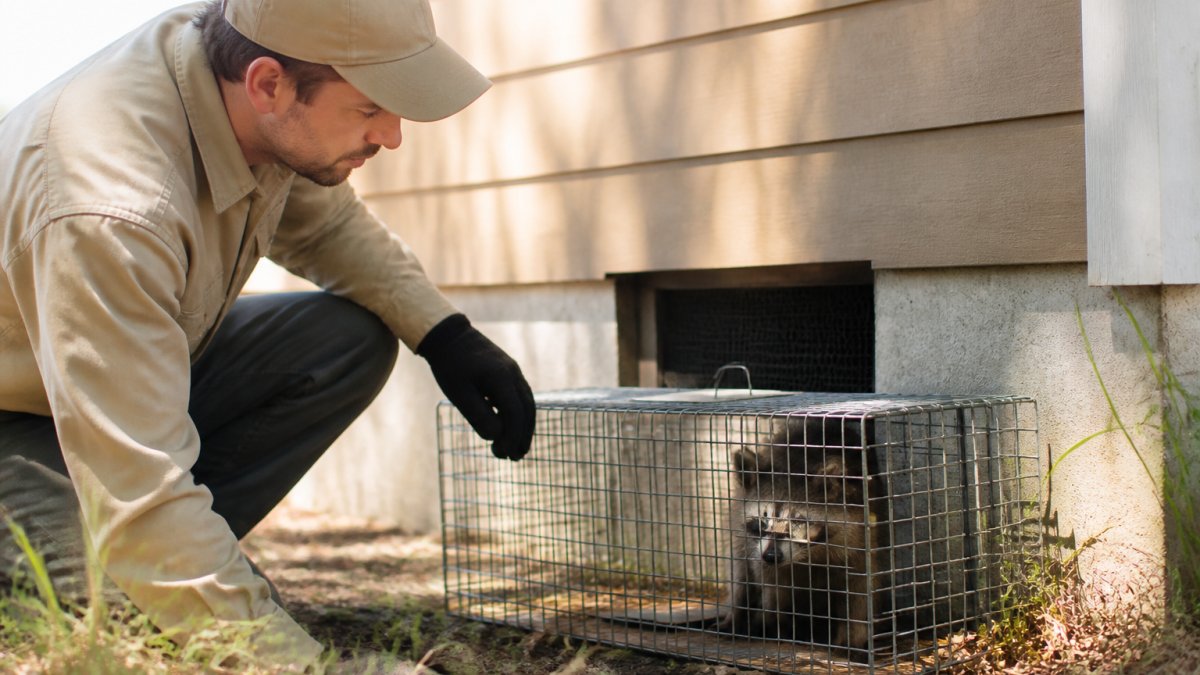
One-way doors are the most effective humane removal method. They let raccoons leave but prevent them from returning, matching how raccoons naturally move without trapping the animal.
Dealing with Mother Raccoons and Dependent Young
Removal gets complicated if there's a mother raccoon with young kits in your attic, you can't just use a one-way door and seal everything.
The right approach: wait until the kits are mobile (usually mid-summer), use the one-way door method once kits can follow the mother out, confirm the family has left before sealing, and consult a professional if it's early spring and kits are very young.
Step-by-Step Deterrent Strategies
Deterrents are the most over-promised part of raccoon control. Search results make it sound like a bowl of ammonia or a talk-radio station will send a raccoon packing overnight. In practice, they work best as a nudge for an animal that hasn't committed to your attic, and almost never evict a mother with kits or a raccoon that has already denned.
What Deterrents Can and Cannot Do
A raccoon chooses your attic for shelter, warmth, and safety from predators. Deterrents only attack the comfort side of that equation, if a raccoon has dependent young, is cornered by weather, or has used the same entry for weeks, discomfort won't outweigh the drive to stay.
Realistic expectations:
- A raccoon that just started investigating your roof may be discouraged by light, noise, and odor.
- A raccoon that has already nested will usually ignore all three.
- A mother with kits will not leave until the kits are mobile, no matter what you do.
Using Lights and Motion-Activated Deterrents
Raccoons have good night vision and prefer dark, undisturbed spaces. Bright, unpredictable light disrupts that.
Practical setup:
- Place motion-activated floodlights so the sensor covers the entry point and the main travel path inside the attic.
- Aim the light so it does not shine into bedrooms or neighboring windows.
- Use a model with a short on-time (1-2 minutes) so it fires repeatedly through the night.
A continuously lit bulb is weaker, raccoons habituate within a few nights. Motion-triggered light works better because the animal can't predict when it will fire.
Noise and Radio Tactics
Sound deterrents follow the same logic: unpredictability beats volume. A single radio station on repeat becomes background noise within a week.
What tends to work better:
- A talk-radio or news station with varied human voices.
- A radio that you move to a different corner of the attic every few days.
- A timer that turns the radio on and off at irregular intervals.
What tends not to work:
- Music stations, especially if the raccoon hears the same songs nightly.
- A single speaker left in one spot for weeks.
- Very loud volumes that also annoy your family and neighbors.
Strong Odors: Vinegar, Ammonia, and Peppermint Oil
Raccoons have an excellent sense of smell, and strong odors can make a space unpleasant. But odors fade, and a raccoon that already considers your attic home will often just move to a different rafter.
Odor options and how to use them:
- White vinegar: Soak rags and place them near the entry point and along travel paths. Replace every 2-3 days.
- Ammonia: Soak rags or use shallow dishes. Raccoons are not reliably deterred by it. Ventilate the attic while you work.
- Peppermint oil: Soak cotton balls and scatter them. The effect fades quickly and the oil can stain insulation.
When Deterrents Are the Wrong Tool
Deterrents are a dead end in several common situations. Recognizing them early saves weeks of frustration:
- You hear chittering or high-pitched cries. That usually means kits are present. Deterrents will not move a nursing mother.
- The raccoon has been there more than two weeks. It has likely denned. Exclusion is the next step.
- You see fresh droppings every day. The animal is using the attic as a latrine, which means it is comfortable, not deterred.
If any of those apply, skip to the removal and exclusion sections.
How to Keep Raccoons Out of Your Attic
Prevention is easier than removal. Once raccoons are out, seal every possible entry point so they can't return.
Sealing Entry Points and Confirming the Attic Is Empty
This is critical and often done wrong. Homeowners seal openings while raccoons are still inside, trapping them.
The correct sequence:
- Use a one-way door to let raccoons exit
- Wait 7-10 days to confirm no activity
- Check for new entry points the raccoon may have created
Before sealing anything, confirm the attic is completely empty. Sealing an opening with a raccoon still inside creates a trapped animal that will cause serious damage trying to escape.
Roof Repairs and Raccoon-Proofing
Permanent prevention means fixing the damage and making your roof raccoon-proof.
Essential repairs:
- Replace damaged soffit and fascia boards
- Install proper chimney caps
- Repair roof decking and shingles
These repairs cost money, but a single raccoon removal can cost more than prevention. Fix the problems now and avoid repeat visits.
Raccoon Attic Cleanup and Health Safety
Getting the raccoon out is only half the job. Raccoon latrines, the spots where the animal repeatedly defecates and urinates, leave behind a biohazard. This section covers what's in that waste, how to clean it safely, and how to confirm the attic is livable again.
What Is Actually in Raccoon Waste
Raccoon feces and urine can carry organisms that cause serious illness in humans:
- Baylisascaris procyonis, a roundworm whose eggs can survive in soil and insulation for years (the CDC). Inhaled or ingested eggs can cause severe neurological damage. This is the single biggest reason not to vacuum dry droppings.
- Leptospira bacteria, shed in urine, which can cause leptospirosis (the CDC). It enters through cuts, eyes, nose, or mouth.
- Salmonella and E. coli, common in raccoon feces and easily spread by contaminated dust.
You don't need to memorize the list, but treat every dropping, urine stain, and contaminated insulation batt as if it carries all of them.
Personal Protective Equipment
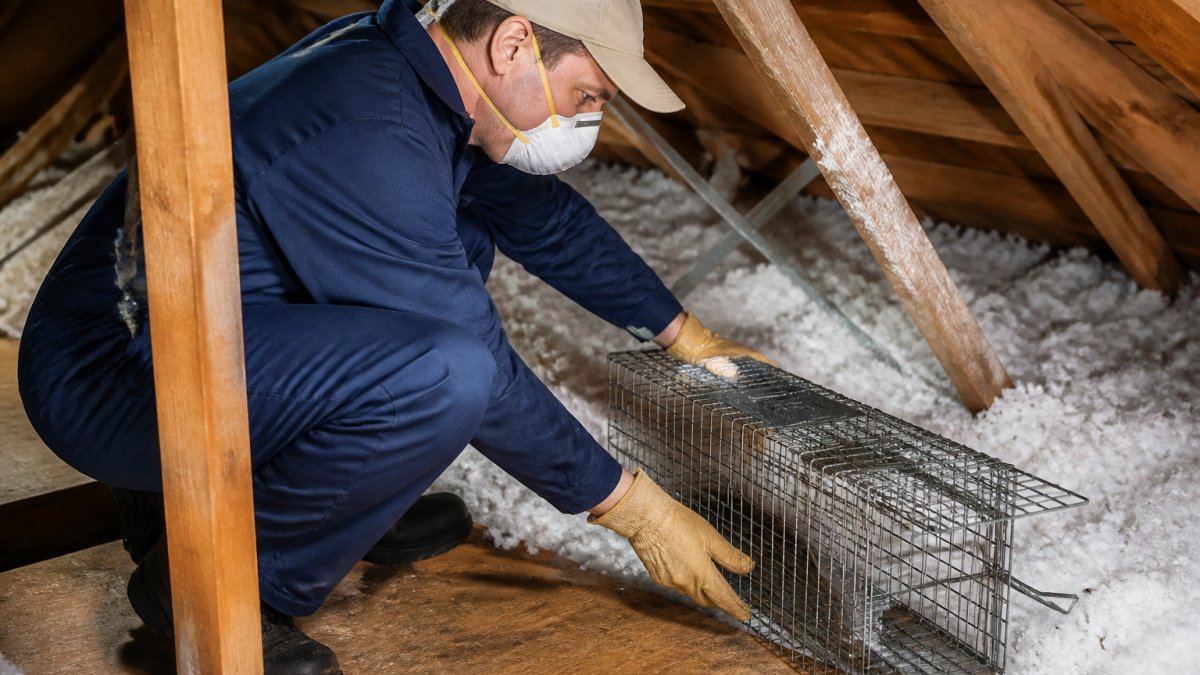
Before you step into the attic, suit up. This is not optional.
- Respirator: An N95 or P100 respirator, fitted properly. A dust mask is not enough for dried droppings.
- Gloves: Disposable nitrile or rubber gloves, taped at the wrist if you will be reaching into insulation.
- Eye protection: Sealed goggles, not open safety glasses.
Step-by-Step Cleanup Process
The goal is to remove contaminated material without aerosolizing it.
- Ventilate. Open attic vents and set up a fan blowing outward, away from the living space.
- Mist before you move anything. Lightly spray droppings, urine stains, and surrounding insulation with a disinfectant or a 1:10 bleach-to-water solution. This knocks down dust.
- Never dry-vacuum. A shop vac will launch fine particles into the air. If you must use a vacuum, use a HEPA-filtered unit rated for hazardous material, and only after the area has been misted.
- Bag everything. Use heavy-duty 6-mil contractor bags. Double-bag contaminated insulation, droppings, and nesting material. Seal each bag before carrying it out.
- Remove contaminated insulation. Raccoon urine soaks into insulation and does not come out. Cut out and remove all insulation within several feet of the latrine area. In heavy infestations, remove the entire affected run.
- Disinfect hard surfaces. Scrub framing, sheathing, and joists with a bleach solution or a commercial disinfectant labeled for animal waste. Let it dwell per the label, then wipe or rinse.
- Replace insulation. Install new insulation only after the area is fully dry and disinfected.
- Dispose of waste properly. Check with your municipal waste department before putting raccoon-contaminated material in household trash. Many jurisdictions require it to be double-bagged and may direct it to a specific transfer station. Do not burn it.
Odor Removal After Cleanup
Even after the source is gone, the smell can linger in wood and drywall. Options, in order of effectiveness:
- Enzyme cleaners designed for pet or wildlife waste, applied to bare wood and allowed to dwell.
- Ozone treatment by a professional, with the attic unoccupied during treatment and ventilated afterward.
- Sealing agents such as shellac-based primer on bare wood that cannot be fully cleaned.
Don't rely on air fresheners or bowls of vinegar to mask the smell. If you can still smell it weeks after cleanup, contamination remains somewhere you haven't found.
Follow-Up Inspection Before You Close the Attic
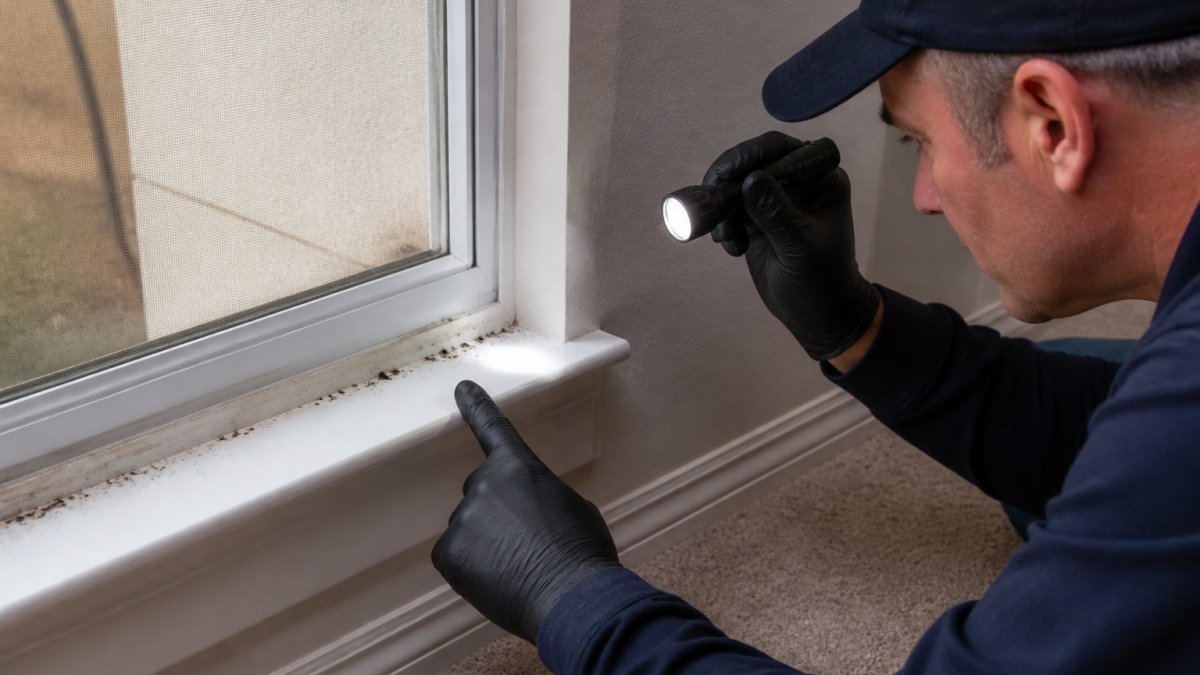
Before you call the job done, do one more pass:
- Walk the entire attic with a bright flashlight and look for any droppings or staining you missed.
- Check the insulation in the corners and along the eaves, where latrines often hide.
- Smell the air near the entry point. A faint musk is normal for a few days; a strong ammonia smell means you missed a spot.
Only after this inspection should you seal entry points, cleaning before exclusion is wasted effort if a raccoon can walk right back in.
When to Call a Professional Wildlife Expert
Some situations require professional help.
Call a professional when:
- You have a mother raccoon with dependent young in the attic
- The infestation is large or spread across multiple areas
- You've tried removal methods and raccoons keep returning
Professional wildlife removal ensures the job is done right the first time.
Frequently Asked Questions
How can you tell if raccoons are living in your attic?
Listen for scratching, scurrying, or thumping sounds at night, especially around dusk and early morning. Look for droppings (dark, tubular pellets) in the attic, basement, or near entry points. Check for damaged insulation, chewed wood, and nesting materials. Raccoons often leave muddy paw prints or rub marks on walls as they travel. If you see multiple signs of raccoon activity together, noises plus damage plus droppings, you likely have an active infestation.
What's the safest way to remove a mother raccoon and her babies from an attic?
Never separate a mother raccoon from dependent young, this causes suffering and violates humane removal principles. Install a one-way door that allows the mother to exit but prevents re-entry. She will naturally leave to find food and water, and the young will follow once they're old enough. Wait 7-10 days to confirm all have left before sealing openings. If young are still in the nest, consult a licensed wildlife professional to avoid trapping dependent kits without their mother.
How long does it take to get rid of raccoons in an attic?
Removal typically takes 1-3 weeks depending on the method. One-way doors work fastest if the raccoon exits within days, but you must wait to confirm the attic is completely empty before sealing. If deterrents alone are used, it may take 2-3 weeks for the raccoon to leave. Professional removal by a licensed wildlife expert is usually faster because they confirm entry points, install exclusion devices correctly, and verify the attic is clear before sealing, preventing costly re-entry.
Is it safe to remove a raccoon from the attic yourself?
Removing raccoons yourself carries health and legal risks. Raccoons can carry rabies and parasites, and their droppings may contain roundworms harmful to humans. Many states and local regulations require licensed wildlife professionals to handle removal, check your local requirements. DIY trapping without proper permits or release protocols may violate wildlife laws. A licensed professional has the proper equipment, knowledge of dependent young, and legal authority to remove and exclude raccoons safely and humanely.
Raccoons in your attic are a serious problem, but they're solvable. Identifying them correctly, removing them humanely, and sealing your home properly stops the issue permanently. If you've tried these methods and raccoons persist, or if you want professional help from the start, Dukes Pest & Wildlife is here to help. We bring three generations of expertise and a Nuisance Wildlife Control License to every job. Contact us for a quote and let's get your attic back.