 How-to
Professional Wildlife Control in Grove, OK: A Homeowner's Guide
Table of Contents
- Why Professional Wildlife Control Matters in Grove
- Common Wildlife Intruders and How to Identify Them
- Raccoon Removal From Attic: Safe Steps and When to Call a Professional
- Humane Wildlife Removal: What It Means and Why It Matters
- Wildlife Exclusion Services: Preventing Animals From Returning
- Understanding Wildlife Control Cost and What Affects Your Quote
- How to Choose a Licensed and Qualified Wildlife Control Provider
- What to Do After Wildlife Removal: Cleanup and Damage Assessment
- Frequently Asked Questions
Last Updated: October 19, 2026
Why Professional Wildlife Control Matters in Grove
When a raccoon takes up residence in your attic, the problem goes far beyond noise at night. Professional wildlife control in Grove, OK addresses the root cause of animal intrusions, preventing damage, disease exposure, and repeated infestations that DIY traps simply cannot solve.
Many homeowners discover too late that removing a single animal leaves the entry points open. Within weeks, new animals arrive. The real solution requires identifying how wildlife entered your home, removing the animals humanely, sealing every access point, and preventing future intrusions.
At Dukes Pest & Wildlife, we've spent over 40 years helping families in Grove and Northeast Oklahoma reclaim their homes from nuisance wildlife. We don't just set traps and leave.
Wildlife intrusions cause real consequences. Raccoons damage insulation and electrical wiring. Bats leave droppings that pose health risks. Squirrels chew through wood and drywall. Rats contaminate food storage and spread disease. The longer animals remain, the more expensive repairs become.
Common Wildlife Intruders and How to Identify Them
Identifying which animal has invaded your space is the first step toward effective removal. Different species require different approaches, and misidentifying the problem often leads to failed removal attempts.
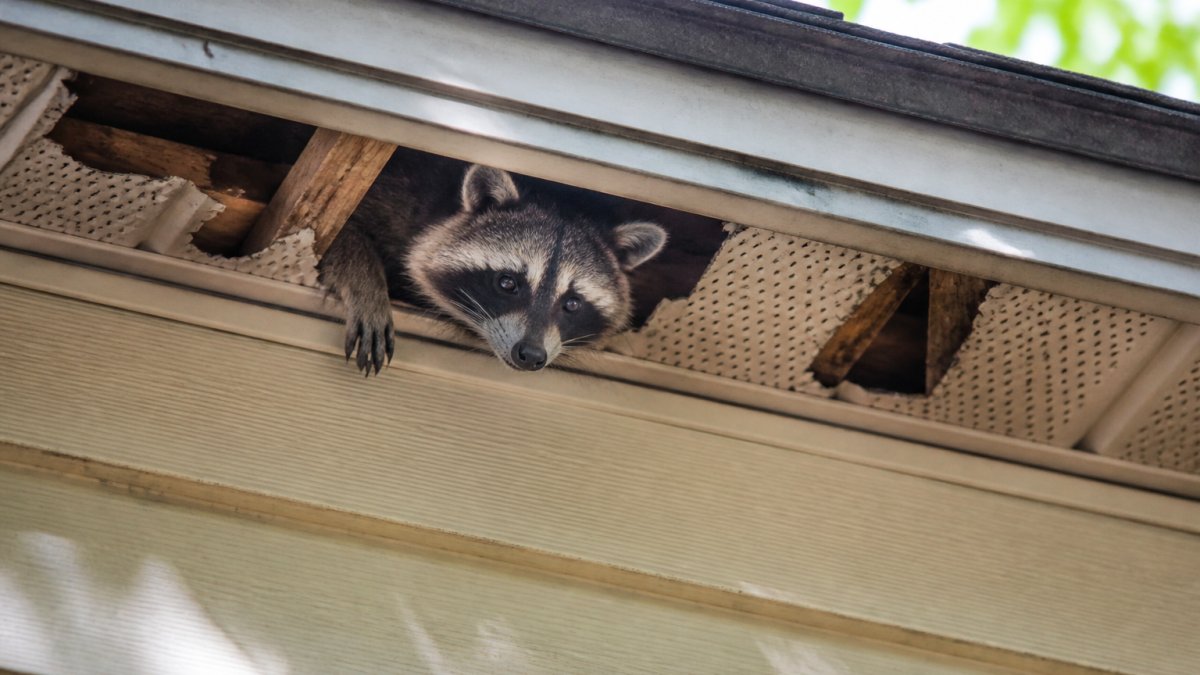
Raccoons in Your Attic and Walls
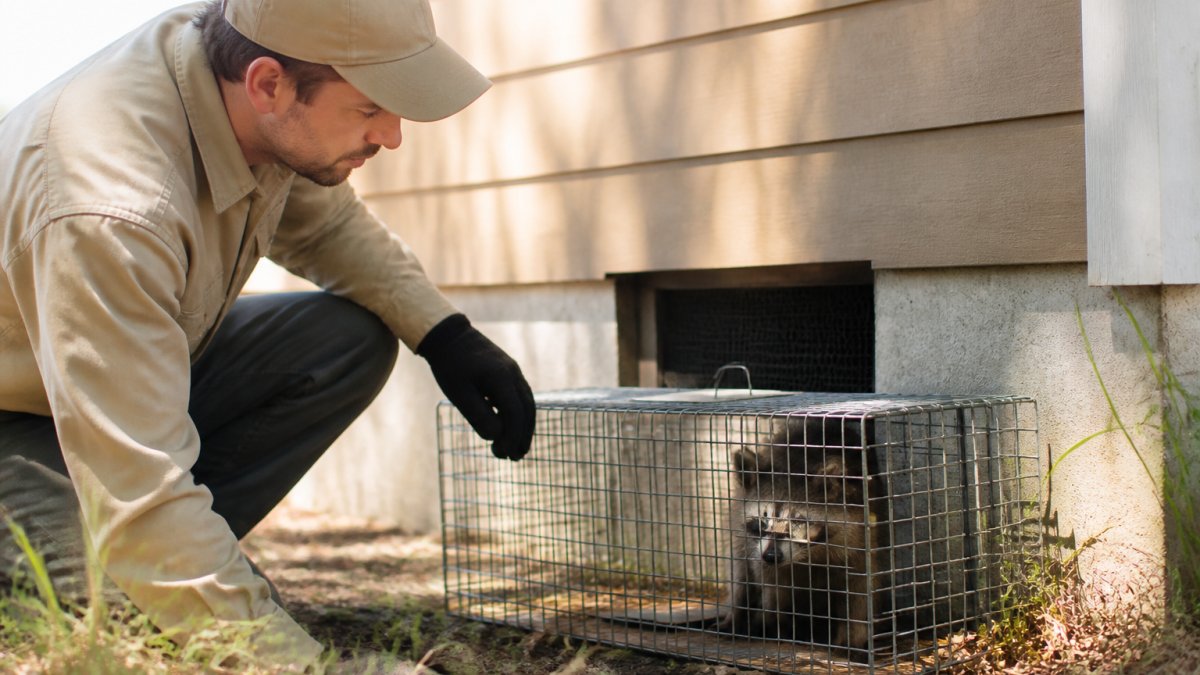
Raccoons are the most common nuisance wildlife in Northeast Oklahoma. They're intelligent, strong, and highly motivated to enter homes for shelter and food. Raccoon removal from attic spaces requires both skill and humane handling, these animals are not aggressive by nature, but they will defend themselves and their young.
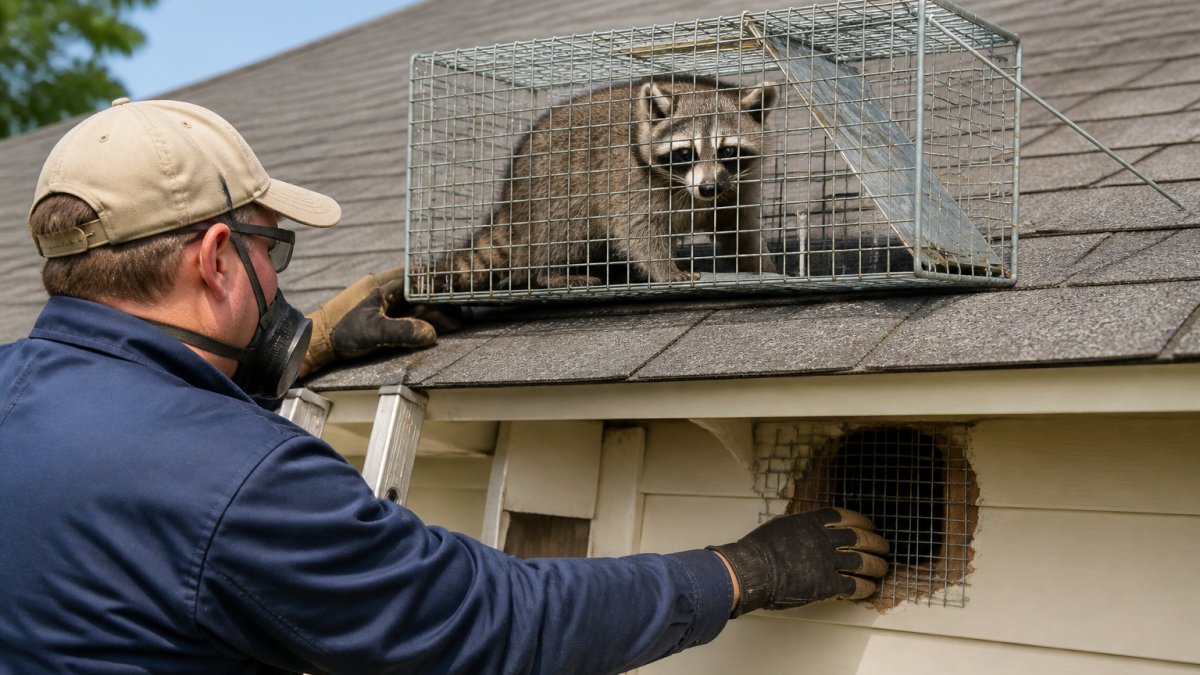
Signs of raccoons include heavy scratching sounds in attic spaces, especially at night. You may notice ripped insulation, scattered debris, or a distinct musky odor. Raccoons often enter through soffit vents, roof gaps, or damaged fascia boards. Once inside, they create multiple pathways and nesting areas, making simple trapping ineffective without sealing entry points.
A common mistake is assuming one trap will solve the problem. Raccoons are curious and intelligent, they often avoid traps or return after removal if entry points remain unsealed.
Bats, Squirrels, Rats, and Mice
Bats typically enter through small gaps under eaves or in roof vents. Unlike raccoons, bats are quiet and often go unnoticed until droppings accumulate or a bat is found indoors. Bat removal requires specialized knowledge, these animals are protected by law in many cases, and humane removal is both a legal and ethical requirement.
Squirrels create constant noise in attic spaces and often cause significant chewing damage. They enter through gaps as small as one inch and can chew through wood, plastic, and soft metals. Squirrel removal must be followed immediately by exclusion work, or new squirrels will occupy the same entry points within days.
Rats and mice are prolific breeders. A single pair can become dozens in weeks. These rodents contaminate insulation with urine and droppings, chew electrical wiring (creating fire hazards), and spread disease. Early detection and professional removal prevent infestations from spiraling out of control.
Raccoon Removal From Attic: Safe Steps and When to Call a Professional
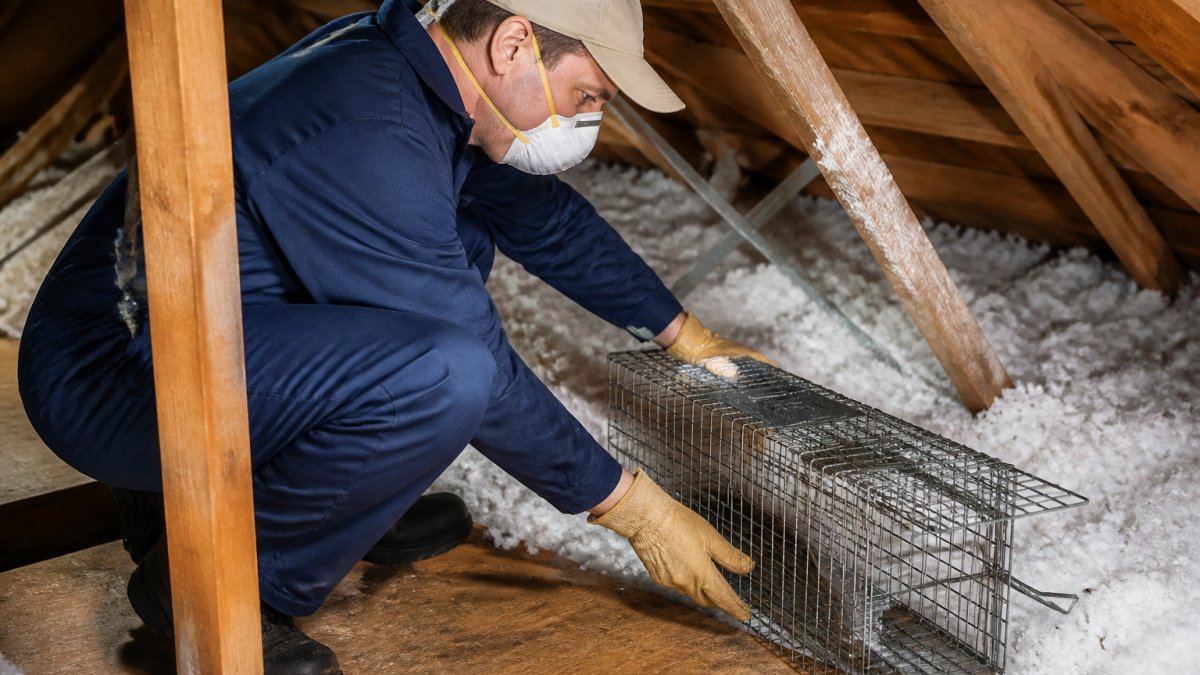
Removing a raccoon from your attic yourself is dangerous and often unsuccessful. Raccoons can bite and carry rabies. They're strong enough to cause serious injury. Professional removal protects both you and the animal.
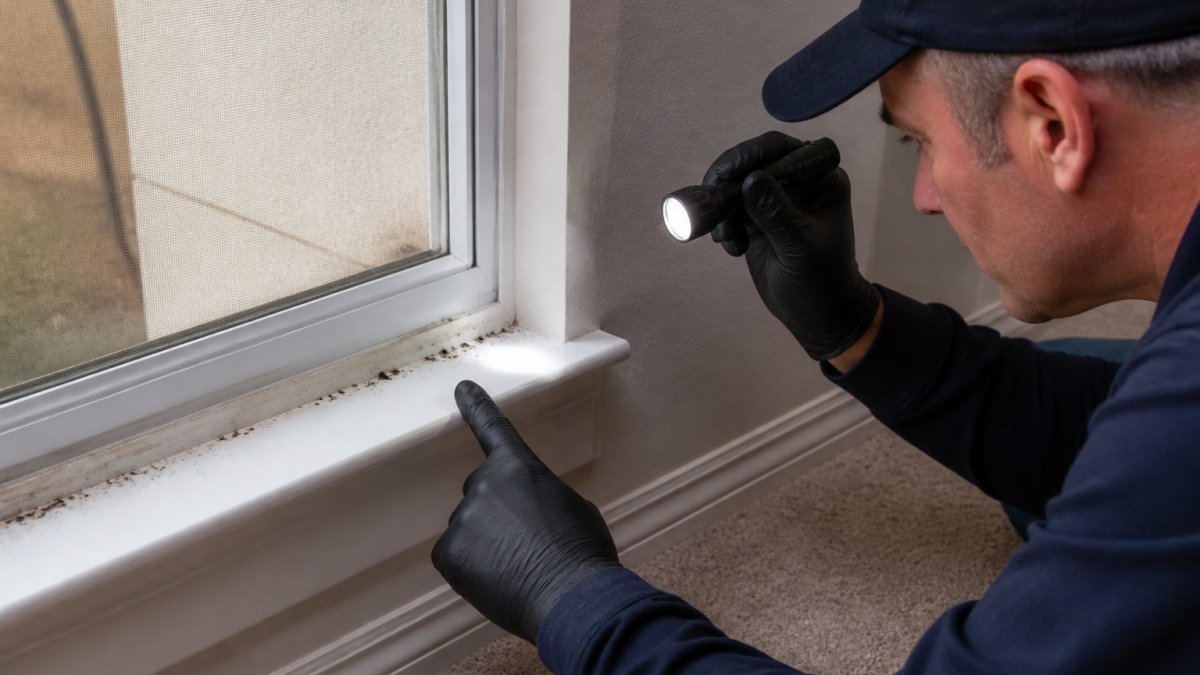
The safe approach begins with inspection. A professional identifies where the raccoon entered, how many animals are present, and whether young are present (which changes timing and strategy).
Timing matters. If young are present, removing the mother first often leads to trapped babies starving inside walls, creating a worse problem. Professionals understand these nuances and time removal to avoid this scenario.
After removal, the attic must be cleaned. Raccoon droppings pose health risks and should be professionally removed and the space sanitized. Contaminated insulation often needs replacement. Only after cleanup and sanitization should entry points be sealed permanently.
Attempting this process yourself typically results in incomplete removal, reopened entry points, and repeat infestations.
Humane Wildlife Removal: What It Means and Why It Matters
Humane wildlife removal is the practice of removing animals without causing unnecessary suffering, using methods that prioritize the animal's welfare alongside property protection. It's not just ethical, it's often required by law.
Many states have regulations governing how wildlife can be trapped and removed. Inhumane methods like poison, drowning, or prolonged trapping without care violate these regulations and can result in fines.
Humane removal typically uses live traps, one-way doors, or exclusion methods that allow animals to leave but prevent re-entry. These methods are often more effective than lethal alternatives because they address the root problem, preventing future intrusions, rather than simply eliminating one animal.
At Dukes Pest & Wildlife, humane wildlife removal is central to how we work. Our approach removes the immediate threat while respecting the animal and the ecosystem. This isn't just good practice, it's the right way to solve wildlife conflicts.
Wildlife Exclusion Services: Preventing Animals From Returning
Once an animal is removed, exclusion work prevents its return and stops new animals from entering. Wildlife exclusion services are the most important step in long-term pest prevention.
Sealing Entry Points and Inspection
Professional inspection identifies every gap, hole, and weakness in your home's exterior. Raccoons can squeeze through openings as small as four inches. Squirrels exploit gaps under an inch. Bats find cracks barely visible to the human eye.
Sealing these points requires more than caulk or wire mesh. Materials must withstand animal pressure and weather exposure. Steel mesh, heavy-gauge screening, and professional-grade sealants create barriers that last years, not weeks.
Common entry points include soffit vents, roof gaps, chimney openings, foundation cracks, and spaces around utility lines. A thorough inspection checks all of these and identifies vulnerabilities specific to your home's construction and condition.
Seasonal Prevention for Grove's Wildlife
Grove's climate and seasons influence wildlife behavior. Spring brings animals seeking shelter for breeding. Fall brings increased activity as animals prepare for winter. Winter is when attic intrusions peak, animals seek warmth and shelter indoors.
Understanding these seasonal patterns allows you to address vulnerabilities before animals exploit them. Spring inspection and sealing prevents summer and fall infestations. Professional wildlife exclusion services account for these patterns and time prevention work strategically.
Prevention is always cheaper than removal and repair combined. A few hundred dollars in exclusion work prevents thousands in damage and repeated removal costs.
Understanding Wildlife Control Cost and What Affects Your Quote
Wildlife control pricing depends on several factors. The type of animal, the extent of infestation, the number of entry points, and the scope of exclusion work all influence cost. Cleanup and sanitization add to the total.
Rather than guessing at price ranges, the most accurate approach is requesting a quote from a licensed professional. A thorough inspection reveals the true scope of work, and a detailed estimate breaks down costs for removal, exclusion, cleanup, and any necessary repairs.
One important principle: the cheapest quote often reflects incomplete work. True professional wildlife control addresses the root cause, not just the symptom. Investing in complete removal, proper exclusion, and cleanup prevents far more expensive repeat problems down the road.
At Dukes Pest & Wildlife, we provide transparent estimates that detail exactly what work is included and why. We're committed to solving your wildlife problem completely.
How to Choose a Licensed and Qualified Wildlife Control Provider
Not all wildlife control services are equal. Licensing, insurance, and local expertise separate professionals from unlicensed operators who may create bigger problems.
Licensing, Insurance, and Local Expertise
Verify that any wildlife control provider holds a current Nuisance Wildlife Control License issued by the state. This license confirms the provider has met training and competency requirements for humane, legal wildlife removal. Ask to see the license before hiring.
Insurance is equally critical. Accidents happen during removal and exclusion work. Proper liability insurance protects your home and property if damage occurs. Unlicensed providers often carry no insurance, leaving you liable for any damage they cause.
Local expertise matters. A provider familiar with Northeast Oklahoma's wildlife, seasonal patterns, and local building codes delivers better results than a distant company unfamiliar with regional conditions. Local providers also respond faster to emergencies and maintain relationships with their community.
Service Area and Emergency Response
Confirm that the provider services your specific area. Some companies claim wide coverage but have limited actual response capacity. Ask about emergency availability, many wildlife problems require urgent response to prevent escalation.
At Dukes Pest & Wildlife, we've served Grove and surrounding areas for over 40 years. We know this community and these homes. Our local roots mean faster response and genuine commitment to our neighbors' safety and peace of mind.
What to Do After Wildlife Removal: Cleanup and Damage Assessment
After animals are removed and entry points sealed, the work isn't finished. Cleanup and damage assessment prevent health risks and identify repairs needed to restore your home.
Contaminated insulation, droppings, and urine-soaked materials pose health hazards and should be professionally removed. Professional cleanup includes proper disposal, sanitization, and often insulation replacement. This step is not optional, it protects your family's health and prevents odor issues.
A thorough damage assessment identifies structural damage, electrical hazards, and other repairs needed. Chewed wiring may require rewiring. Damaged roof materials need replacement. Water damage from animal activity may need remediation. Addressing these issues prevents future problems and protects your home's value.
Professional wildlife control includes or coordinates these post-removal services. Complete solutions don't end with trapping, they include cleanup, assessment, and restoration to full safety and function.
Wildlife intrusions disrupt your home and create real health and safety risks. Professional wildlife control solves the problem completely, from humane removal to permanent prevention.
| Wildlife Type | Common Entry Points | Signs of Presence | Removal Priority |
|---|---|---|---|
| Raccoons | Soffit vents, roof gaps, fascia | Night scratching, musky odor, torn insulation | High, reproduce quickly |
| Squirrels | Gaps under eaves, roof vents | Constant daytime noise, chewing damage | High, cause structural damage |
| Bats | Small cracks under eaves, roof vents | Droppings in attic, guano smell | Medium, protected species |
| Rats/Mice | Foundation cracks, utility line gaps | Droppings, gnawed wires, contaminated insulation | High, disease vectors |
Frequently Asked Questions
When should I call a professional for wildlife in my attic?
Call immediately if you hear active sounds (scratching, scurrying, thumping) in your attic or walls, see visible entry holes, or notice droppings. DIY removal is unsafe and often ineffective, animals can bite, carry rabies, and return if exclusion isn't done properly. A licensed professional identifies the species, removes it humanely, and seals entry points so it doesn't happen again. The sooner you act, the less property damage occurs.
How do professionals prevent wildlife from returning after removal?
Wildlife exclusion services seal all entry points, gaps in soffits, vents, chimneys, and foundation cracks, where animals enter. Professionals inspect your home thoroughly to find holes you may have missed. They also trim tree branches away from the roof, secure trash cans, and remove food sources. This combination of physical barriers and habitat modification stops animals from coming back and protects your home long-term.
Is it safe to remove wildlife on your own?
No. Raccoons, bats, and rodents can carry rabies, parasites, and disease. They bite when cornered or protecting young. Improper trapping causes suffering. Without proper licensing and humane removal knowledge, you risk injury, legal liability, and incomplete removal that leaves animals to die in walls. A licensed professional has the training, equipment, and legal authority to remove animals safely and humanely.
What factors affect the cost of professional wildlife control?
Cost depends on the animal type, infestation size, location of entry points, and extent of property damage. Attic removal typically costs more than wall trapping because it requires more inspection and exclusion work. Cleanup and sanitization add to the bill. Emergency or after-hours service may carry a premium. Contact your local provider for a free inspection and transparent quote based on your specific situation.