 How-to
How to Handle Humane Wildlife Removal in Grove
Last Updated: October 25, 2026
Quick Summary
Humane wildlife removal involves identifying entry points, humanely trapping and relocating animals with licensed professionals, and sealing all openings with heavy-gauge materials to prevent return. This comprehensive approach addresses the root cause rather than providing temporary fixes.
- Raccoons need openings of 3 inches or larger, while opossums and mice can fit through quarter-inch gaps
- Licensed operators must appear on the Oklahoma Department of Wildlife Conservation Nuisance Wildlife Control Operator Program directory
- Exclusion materials must be metal-based like galvanized steel mesh or hardware cloth, as standard caulk and screening fail against wildlife
- Fall (September-November) is the best window for preventive exclusion work before animals settle in for winter
- Contaminated insulation and droppings require professional remediation, not DIY cleanup, due to health hazards like roundworm parasites
Table of Contents
- Identify Wildlife Activity and Entry Points
- How to Get Rid of Raccoons in Attic and Other Common Nuisance Animals
- Licensed Nuisance Wildlife Removal: Why Professional Service Matters
- Wildlife Exclusion Services and Entry Point Repair
- Seal Entry Points with Wildlife Entry Point Repair
- Long-Term Prevention and Cleanup
- Getting Your Free Wildlife Removal Quote
- Frequently Asked Questions
Identify Wildlife Activity and Entry Points
Spotting the signs of nuisance wildlife early makes humane wildlife removal faster and less expensive.
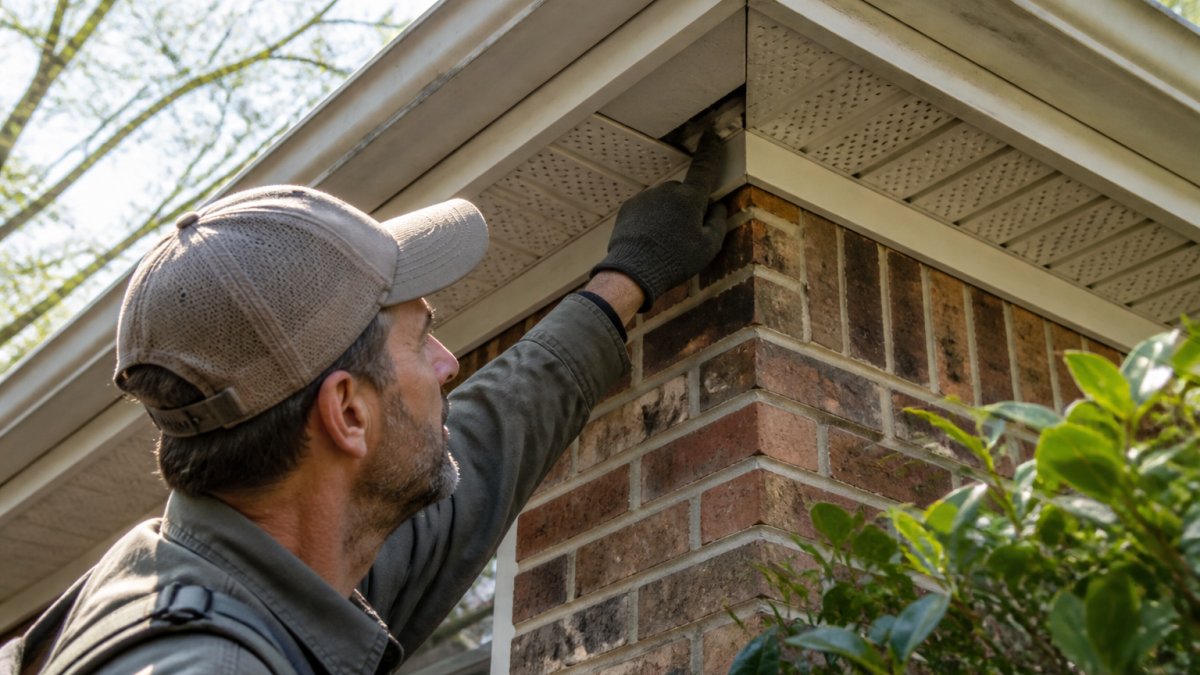
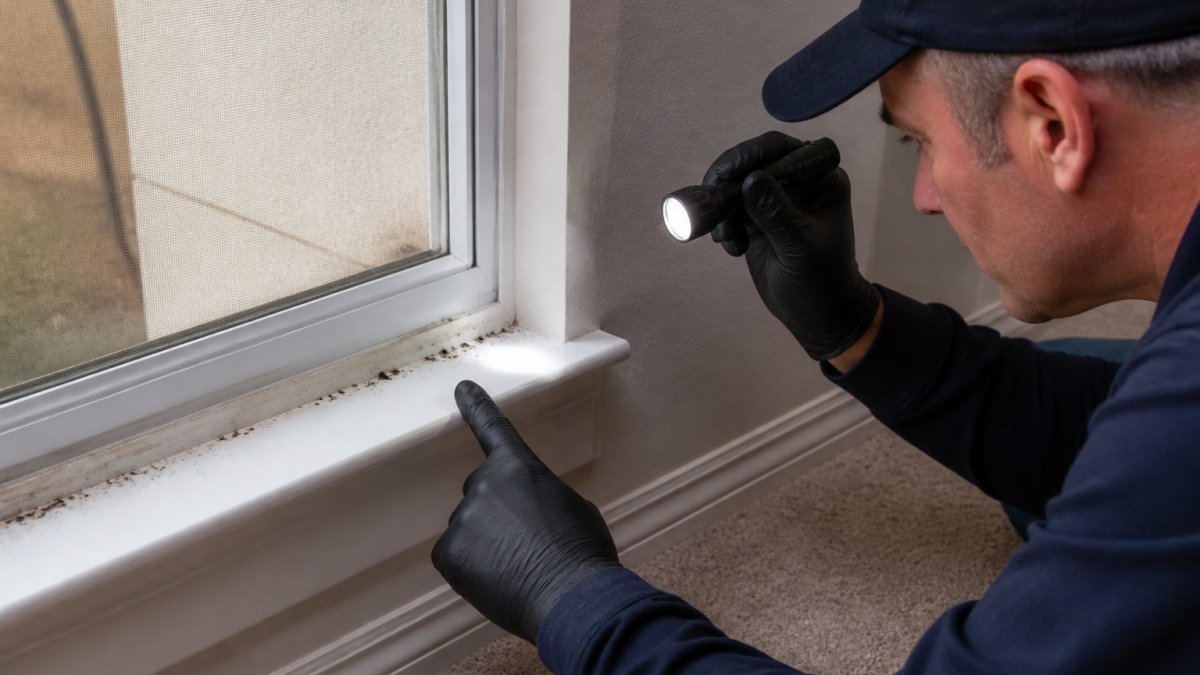
Walk around your property's exterior. Check for gaps under eaves, holes in siding, loose vents, or damaged trim.
Pay attention to timing. Nocturnal animals like raccoons are most active at night.
Don't attempt to seal openings yourself yet. First, identify all entry points, then contact a licensed professional who can remove the animal before sealing the gaps permanently.
Different wildlife species leave distinct signs and require different sized openings to enter your home.
| Animal | Entry Size | Signs to Look For |
|---|---|---|
| Raccoon | 3 inches or larger | Droppings, chewed wood, torn insulation, scratching at night |
| Opossum | Quarter-inch gap or larger | Strong odors, mess, activity during day |
| Squirrel | Gaps near rooflines | Chewing damage, sounds during day, soffit damage |
| Bat | 3/8 inch or larger | High-pitched squeaking at dusk, guano accumulation |
| Mouse | Quarter-inch gap or larger | Droppings, chewed materials, scratching sounds |
How to Get Rid of Raccoons in Attic and Other Common Nuisance Animals
Raccoons in Attics and Crawl Spaces
Raccoons are intelligent and destructive. They tear open insulation, damage electrical wiring, and create multiple entry points as they explore.
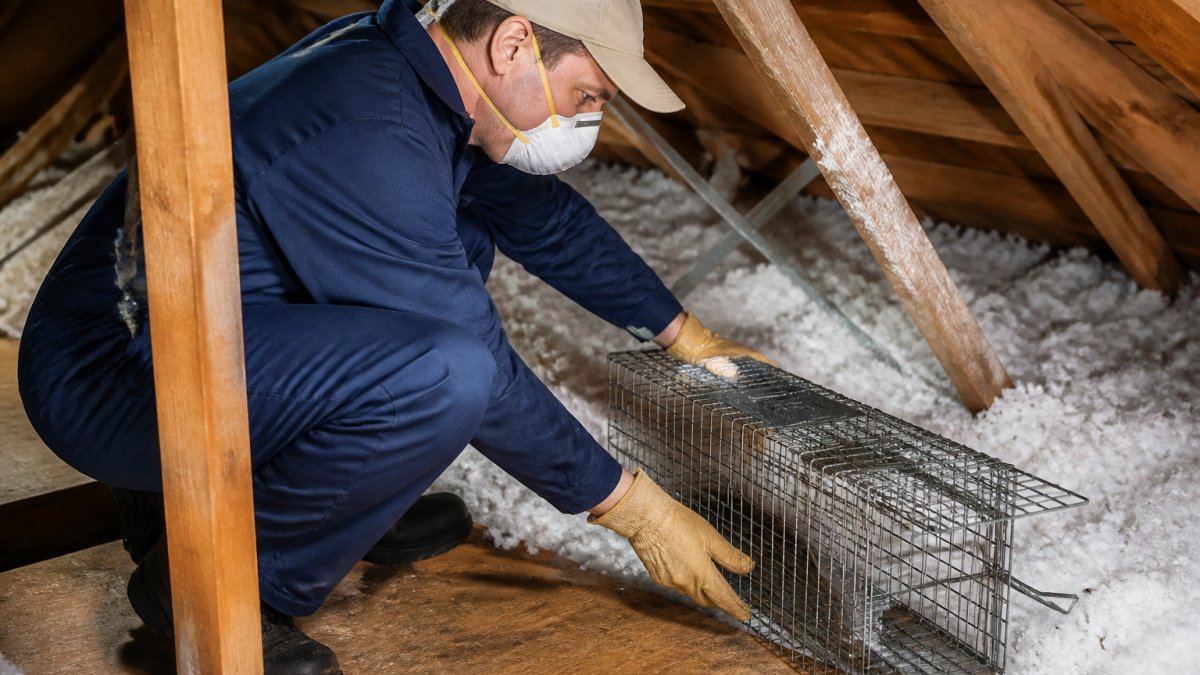
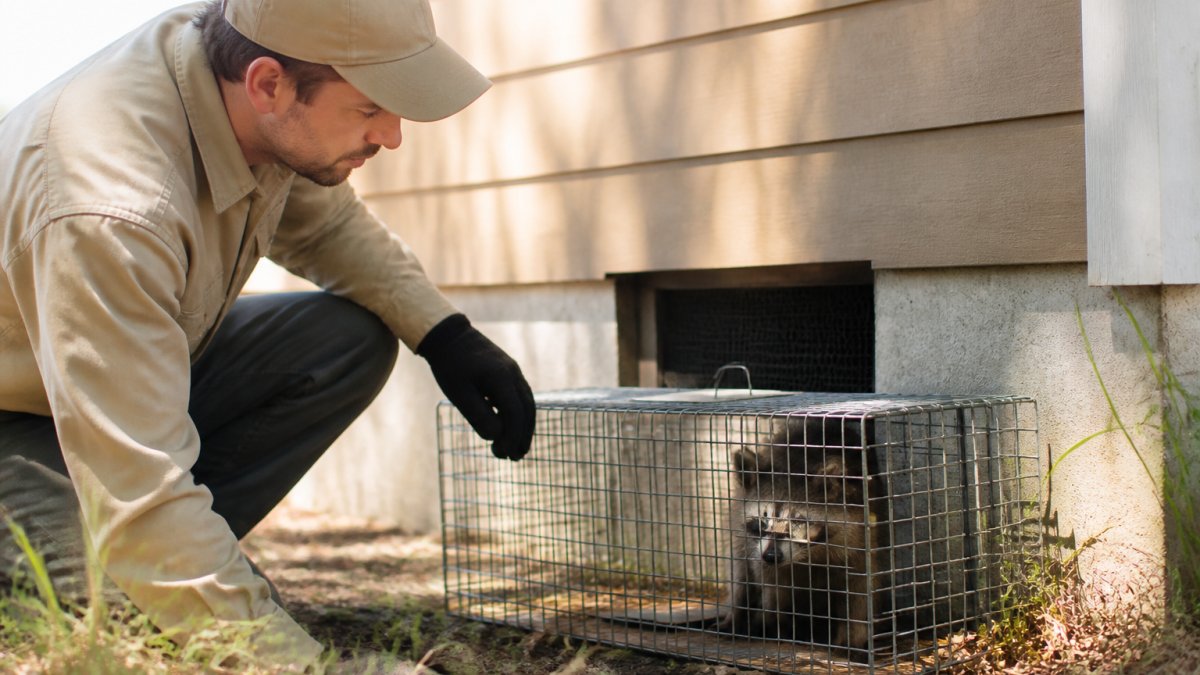
The only reliable way to remove raccoons is humane trapping and relocation by a licensed professional.
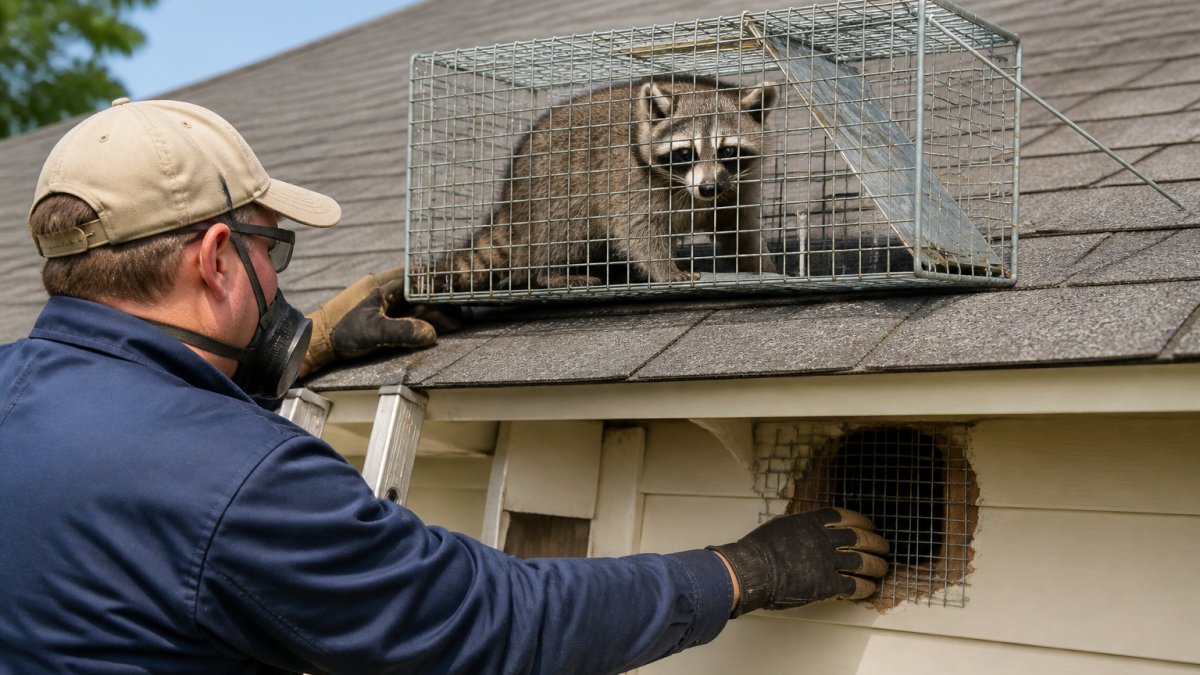
A proper removal process includes one-way doors that let raccoons exit but prevent re-entry, combined with live traps for animals that won't leave voluntarily.
Opossums, Squirrels, and Other Wildlife
Opossums are slower and less destructive than raccoons, but they still cause problems. They leave strong odors, create mess, and can carry diseases.
Bats present a unique challenge. Many bat species are protected by federal law, and improper removal can result in fines.
Birds like starlings and house sparrows nest in vents and soffits. Exclusion with one-way doors works for birds, but timing matters.
Licensed Nuisance Wildlife Removal: Why Professional Service Matters
This is where expertise separates a permanent solution from a temporary band-aid.
Professional humane wildlife removal addresses the root cause.
Oklahoma Department of Wildlife Conservation Nuisance Wildlife Control Operator Program maintains a directory of licensed operators. Verify that any service you hire appears on this official list.
You can verify Dukes Pest & Wildlife's credentials directly, we hold both a General Pest License and the specialized Nuisance Wildlife Control License.
Wildlife Exclusion Services and Entry Point Repair
Exclusion is the permanent fix. Once the animal is removed, every entry point must be sealed so completely that wildlife cannot return. This is not a one-time patch, it's a comprehensive seal of your home's exterior.
Professional exclusion includes:
- Sealing gaps around vents, pipes, and utility lines with heavy-gauge materials
- Installing chimney caps and screening over openings
- Repairing or replacing damaged soffits, fascia, and trim
The materials matter. Standard caulk, foam, and screening fail quickly against determined wildlife. Professionals use galvanized steel mesh, hardware cloth, and solid materials that wildlife cannot chew through.
Seal Entry Points with Wildlife Entry Point Repair
Sealing is where the job succeeds or fails. A single missed opening means the animal returns, and the homeowner pays twice. The difference between a lasting repair and a temporary patch comes down to finding every opening and using materials wildlife cannot defeat.
How to find the openings
Work from the ground up and from the obvious to the hidden. A common pattern is for homeowners to find the two or three easy gaps and miss the rest.
- Ground level. Check the sill plate, foundation vents, gaps where utility lines and pipes enter the home, and the space under doors and garage doors. A quarter-inch gap is enough for a mouse; a three-inch gap is enough for a raccoon.
- Siding and trim. Look for loose or rotted trim, gaps behind downspouts, and holes where cable or HVAC lines penetrate the wall.
- Roofline. Inspect soffits, fascia, gable vents, and the intersection where the roof meets the chimney. Squirrels and raccoons exploit soffit edges and roof-to-wall junctions.
- Chimney and vents. An uncapped chimney is an open door. Dryer vents and bathroom exhaust vents without proper dampers or screens are common entry points for birds and squirrels.
- Hidden areas. Check behind landscaping, under deck boards, and in shadowed corners where an opening is not visible from standing height. This is where a professional inspection often finds several additional points a homeowner missed.
Document each opening with a photo and a note about what you observed. That record helps the professional plan the work and helps you confirm the repairs later.
Materials that hold up
Standard caulk, expanding foam, and window screening fail quickly against determined wildlife. Raccoons can tear through screening and pry at soft materials; squirrels and rodents chew. Repairs that last typically use:
- Galvanized steel mesh or hardware cloth for vents, soffits, and larger openings.
- Solid metal flashing or sheet material where animals can pry or chew.
- Chimney caps sized and secured for the flue.
Timing and sequencing
Sealing is the last step, not the first. The correct order is: identify all openings, confirm no animals or dependent young remain inside, remove animals humanely, then seal.
Once sealed, quality repairs should hold for years. The cost difference between a DIY patch and professional exclusion reflects the materials and the labor to reach and secure every opening, not just the visible ones.
Long-Term Prevention and Cleanup
Removal and exclusion solve the current problem. Prevention and cleanup keep it from coming back and make the home safe to live in again. Most service pages stop at "secure your garbage cans." A practical plan for this area goes further, because the same species return season after season and the cleanup is where homeowners most often cut corners.
A seasonal prevention checklist for local homes
Wildlife pressure here follows a predictable calendar. Use it to inspect before animals move in, not after.
- Late winter (February-March): Skunks and raccoons begin looking for den sites. Walk the perimeter and check crawl space vents, foundation gaps, and the space under decks and sheds. Seal anything you can reach before denning starts.
- Spring (April-June): Nesting season. Squirrels, birds, and raccoons seek attics, soffits, and vents. Do not seal an opening you suspect is active, you can trap dependent young inside. Schedule an inspection instead. This is also when tree branches should be trimmed back at least 6-8 feet from the roofline.
- Summer (July-August): Bats are most active and many species are protected. Watch for guano accumulation at dusk exit points and call for an assessment rather than attempting exclusion yourself.
Year-round basics still matter: secure garbage lids with bungees or locking handles, bring pet food inside overnight, remove fallen fruit from the yard, and keep brush piles and wood stacks away from the foundation. These reduce attractants but do not replace exclusion, a determined raccoon will still find a way in if an opening exists.
Local rules to verify before anyone traps or relocates
Before you hire anyone, or attempt anything yourself, confirm the operator's standing with the state. Nuisance wildlife control in this state is regulated, and the Oklahoma Department of Wildlife Conservation Nuisance Wildlife Control Operator Program maintains the official directory of licensed operators. Ask three questions:
- Are you on the state's nuisance wildlife control operator list? If not, walk away.
- How do you handle protected species and dependent young? Bats and some other species carry federal protections, and removing them improperly can create legal exposure for the homeowner as well as the operator.
- What is your release or relocation policy? Rules on relocation vary, and a licensed operator should be able to explain what is and is not permitted for the species in question.
A common pattern is for homeowners to buy a cage trap, catch a raccoon, and then discover they cannot legally relocate it or do not know how to release it safely. Verify the rules first, then decide whether to call a professional.
Cleanup: what actually needs to happen
Wildlife leaves behind more than a mess. Urine, feces, and nesting material contaminate insulation and porous surfaces, and raccoon latrines can carry roundworm parasites that are hazardous to humans and pets. Droppings from bats and birds carry their own risks. The cleanup is not a shop-vac job.
A proper cleanup generally includes:
- Removal of contaminated materials. Soiled insulation, droppings, and nesting debris are bagged and removed, not left in place.
- Disinfection of affected surfaces. Hard surfaces are treated with appropriate disinfectants; porous materials that cannot be cleaned are replaced.
- Odor control. Residual scent can attract new animals, so treatment goes beyond masking the smell.
- Personal protective equipment. Anyone handling contaminated material should wear gloves, eye protection, and a respirator rated for the task. Homeowners should not handle heavy contamination themselves.
Getting Your Free Wildlife Removal Quote
When you contact a wildlife removal service, describe what you've observed: the animal type, entry location, sounds, and timing.
A reputable service offers a free inspection and quote. During the inspection, the professional identifies entry points, assesses damage, and recommends a removal and exclusion plan.
Wildlife removal services in Grove and local directories list available providers, but verify licensing before calling.
Licensed Nuisance Wildlife Removal from Dukes Pest & Wildlife includes a thorough inspection, humane removal, and permanent exclusion. We're available in Grove and the surrounding area. Contact us for your free quote today.
Frequently Asked Questions
How can I tell if wildlife is living in my attic?
Look for droppings, chewed wiring, or nesting material in your attic or crawl spaces. Listen for scratching, scurrying, or chirping sounds, especially at night. You may also notice a strong odor or see small holes or gaps along your roofline or foundation. If you spot any of these signs, contact a licensed professional for a wildlife inspection to identify the animal and plan humane removal.
What should I ask before hiring a wildlife removal service?
Ask if the company is licensed and insured, whether they use humane methods, if they handle both removal and exclusion, and what their warranty or guarantee covers. Request a detailed quote that explains what the inspection and removal will cost. Verify they serve your area and ask how quickly they can respond. For Grove and surrounding areas, confirm they understand local wildlife behavior and seasonal patterns.
When should I call a licensed nuisance wildlife professional?
Contact a professional as soon as you see signs of wildlife activity, such as droppings, damage, or sounds in your attic or walls. Do not attempt to trap or handle wildlife yourself, as this risks injury and may violate local regulations. A licensed nuisance wildlife removal service can safely identify the animal, remove it humanely, repair entry points, and prevent the problem from returning.
Nuisance wildlife creates stress and expense. A licensed professional solves the problem permanently rather than temporarily. Dukes Pest & Wildlife combines our rare Nuisance Wildlife Control License with over 40 years of local expertise to deliver humane removal and lasting exclusion. Learn more about our credentials and service areas, and get started with a free inspection and quote.