 blog
How Much Does a Termite Inspection Cost in 2026
Table of Contents
- Average Termite Inspection Cost
- Termite Inspection Cost by Home Size
- Free Termite Inspection vs. Paid Inspection
- What's Included in Your Termite Inspection
- How Long Does a Termite Inspection Take
- Termite Inspection vs. Termite Treatment Cost
- Factors That Affect Your Inspection Price
- How to Compare Quotes and Avoid Surprise Charges
- Frequently Asked Questions
Last Updated: October 16, 2026
Average Termite Inspection Cost
A termite inspection cost can vary for a standalone, paid inspection of a single-family home. Free evaluations are common as a lead-generation tool, but they rarely come with the documentation a lender, buyer, or insurer will accept.
The table below shows typical price bands by inspection type. Your local market, home size, and foundation type will influence the cost.
| Inspection Type | Typical Price Range | What Drives the Price |
|---|---|---|
| Free company inspection | $0 | Marketing offer; informal findings, no certified report |
| Standard paid visual inspection | $75-$200 | Square footage, foundation type, number of structures |
| WDO / real-estate report | $100-$350 | Formal NPMA-33 or state form, lender requirements, liability |
| Advanced inspection (thermal, moisture, borescope) | $200-$600+ | Equipment, technician time, suspected concealed activity |
A few concrete anchors help you sanity-check a quote. A 1,500-square-foot slab home with no prior termite history is often at the low end of the standard range.
The price depends on several factors: your home's square footage, age, foundation type, and whether the inspection includes a formal written report. A basic visual inspection may cost less than a comprehensive assessment that covers crawl spaces, basements, and detached structures.
At Dukes Pest & Wildlife, we understand that homeowners want clarity on what they'll pay before scheduling an appointment. The inspection fee covers a thorough evaluation of your property for termite activity and wood-destroying organisms. Getting multiple quotes helps you understand the range in your area and what each company includes.
Termite Inspection Cost by Home Size
Larger homes typically cost more to inspect because the technician spends additional time evaluating more square footage. A 1,500 square foot home requires less labor than a 4,000 square foot property with multiple structures.
Home size affects inspection pricing in several ways. Technicians must access crawl spaces, basements, attics, and exterior foundations, more space means more time. Properties with detached garages, sheds, or outbuildings add to the inspection scope and duration.
Smaller homes (under 2,000 square feet) generally fall into the lower end of the pricing spectrum. Mid-sized homes (2,000-3,500 square feet) represent the typical inspection scenario. Larger properties and those with complex layouts or multiple foundation types command higher fees because the technician must conduct a more extensive visual inspection.
The relationship between home size and termite inspection cost is straightforward: more area to inspect means more labor. However, the per-square-foot cost often decreases for larger properties because the inspection becomes more efficient at scale.
Free Termite Inspection vs. Paid Inspection
Most competitors frame this as "free is basic, paid is thorough" and stop there. The more useful comparison is by purpose, scope, and who the inspector ultimately works for, because a free inspection and a paid WDO report are not the same product at different price points.
Free company inspection. A pest control company offers this to get a technician in front of you. The technician is typically also a salesperson, and the company earns money when you buy treatment.
Independent paid inspection. You hire an inspector who does not sell treatment, or who is at least walled off from the treatment side of the business. You pay for a standard visual inspection, or more for advanced methods.
Real-estate WDO report. This is the paid inspection a lender or buyer typically requires during a home sale. It is completed on a standardized form, commonly the NPMA-33, though some states mandate their own form, by a licensed inspector. Price varies depending on the property.
| Option | Typical Price | Scope | Deliverable | Who It Serves |
|---|---|---|---|---|
| Free company inspection | $0 | Accessible visual areas | Verbal or informal summary | The company's sales pipeline |
| Independent paid inspection | $75-$200 | Accessible visual areas, written findings | Report with photos | You |
| Real-estate WDO report | $100-$350+ | Per lender/state form requirements | Certified form (e.g., NPMA-33) | Buyer, lender, or seller |
The practical takeaway: choose the option that matches your purpose. If you just want to know whether something is crawling in your crawl space, a free inspection is a reasonable first look, but get a second opinion before you authorize treatment.
What's Included in Your Termite Inspection
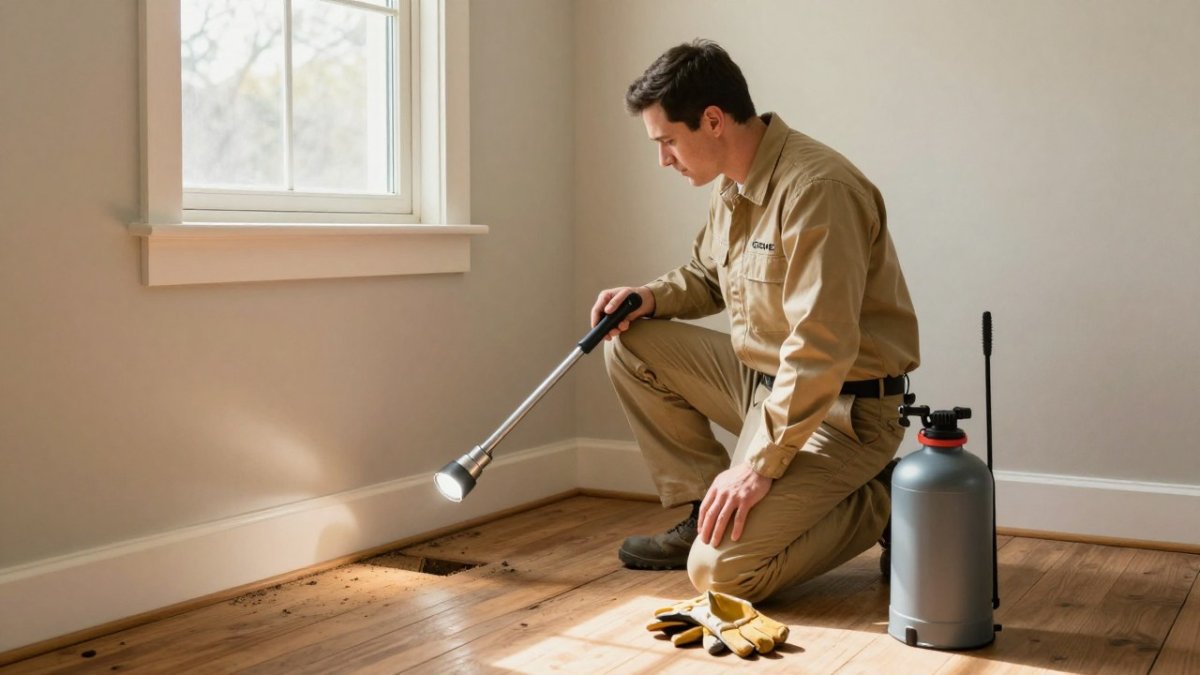
A standard termite inspection includes a visual assessment of accessible areas of your home, foundation, and surrounding property. The technician looks for signs of termite activity, damage, and conditions that attract termites.
Typical inspection components cover:
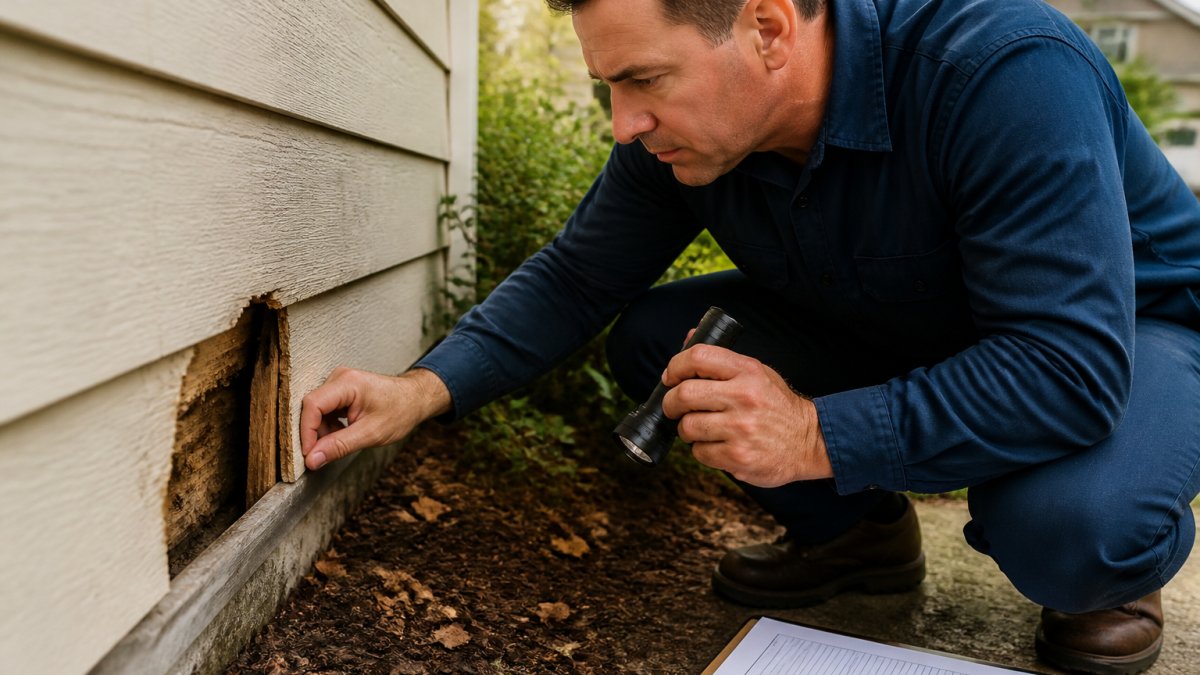
- Foundation and exterior walls for mud tubes or damage
- Crawl spaces and basement areas
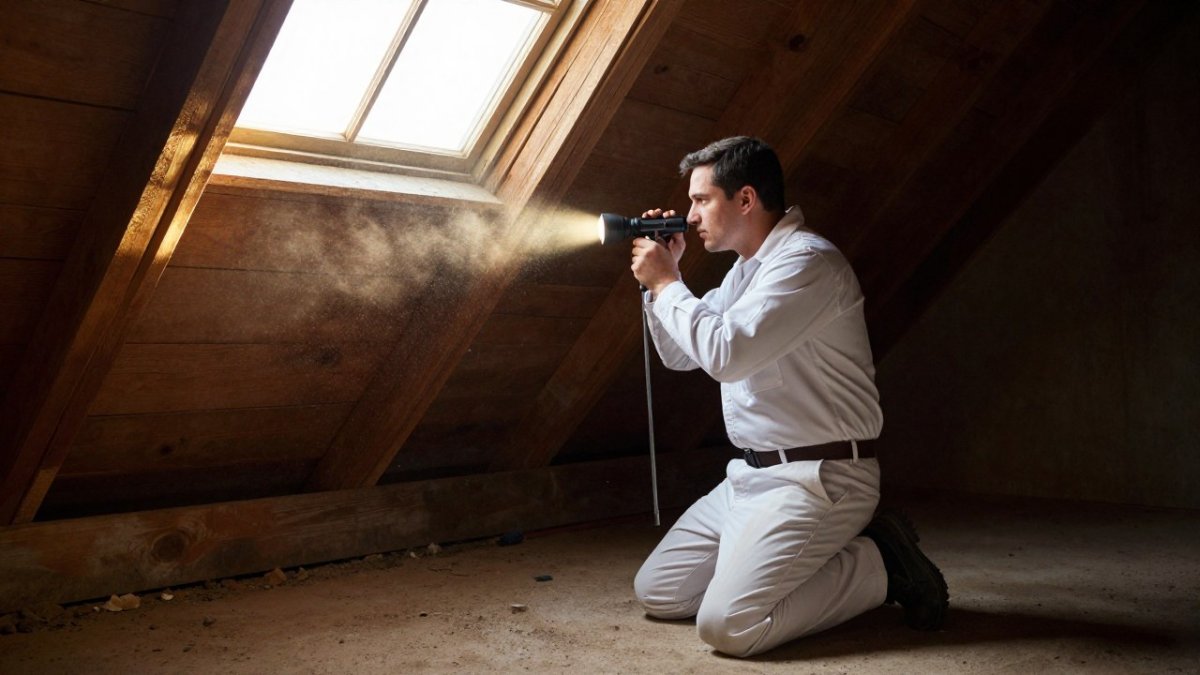
- Attic and roof structure
- Wood framing and support beams
- Interior walls and baseboards for visible damage
- Soil and landscaping around the foundation
- Detached structures like garages or sheds
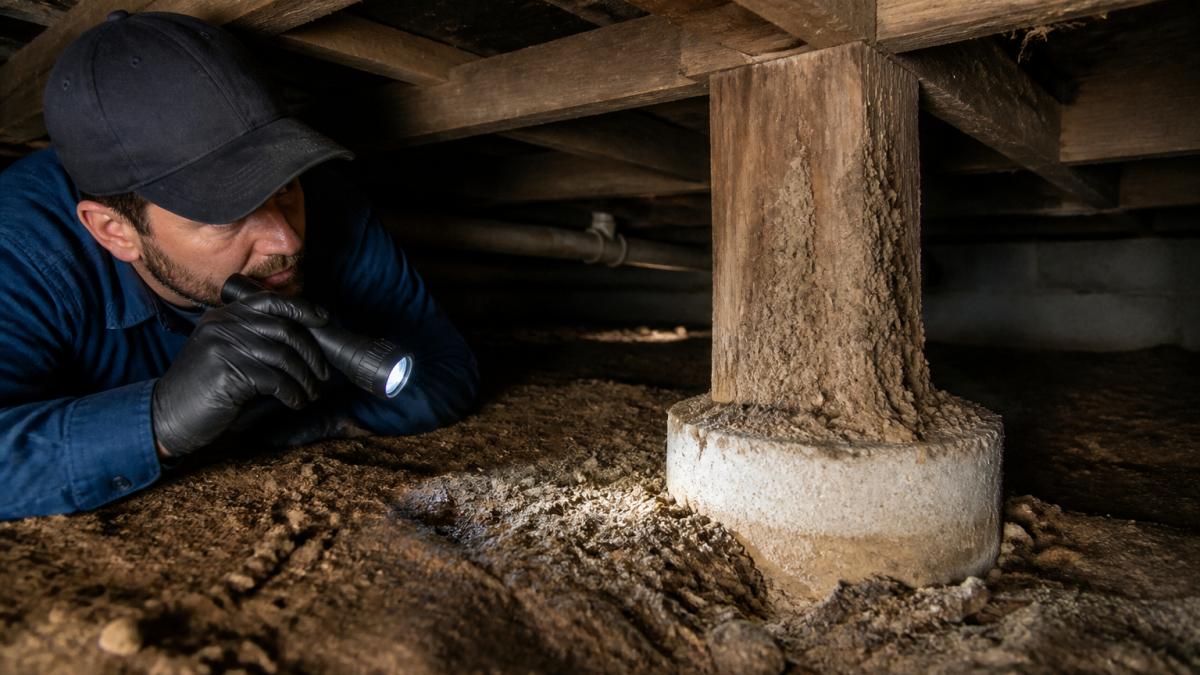
What's typically NOT included depends on the inspection type. Many standard inspections don't include destructive testing (drilling into walls or removing materials to inspect hidden areas), thermal imaging, or moisture detection equipment. These advanced techniques cost extra.
A written report documents findings and includes recommendations. The report may include photos, sketches of affected areas, and treatment estimates. This documentation becomes important if you need to file an insurance claim or provide proof of inspection to a lender.
How Long Does a Termite Inspection Take
A typical termite inspection duration ranges from 30 minutes to 2 hours, depending on your home's size and complexity. Smaller homes usually take 30-45 minutes, while larger properties may require 1.5-2 hours.
The inspection time depends on:
- Square footage of your home
- Number of structures to inspect
- Accessibility of crawl spaces and attics
- Presence of previous damage or known issues
- Thoroughness of the evaluation
A thorough inspection can't be rushed. The technician must access all areas, document findings, and prepare a report. If your home has limited crawl space access or extensive damage requiring detailed assessment, expect the appointment to take longer.
Most inspections are completed within a single appointment. You typically receive preliminary findings during the visit, with a formal written report following within a few days. This allows time for the technician to compile photos, measurements, and treatment recommendations.
Termite Inspection vs. Termite Treatment Cost
Understanding the difference between inspection and treatment costs helps you budget properly. An inspection identifies the problem; treatment eliminates it.
Inspection costs cover evaluation and documentation. Treatment costs cover the actual pest control work, applying pesticides, installing barriers, or using other termite control methods. Treatment is significantly more expensive than inspection because it involves materials, labor, and follow-up visits.
Think of it this way: you pay for the inspection to learn whether you have termites. Once you know you do, you then pay for treatment to eliminate them. The inspection report often includes a treatment estimate, so you know the full cost before committing to pest control services.
Some companies bundle inspection and treatment into a single quote. Others separate the costs so you can decide whether to proceed. Getting the inspection first allows you to understand your situation before making a larger investment in treatment.
Factors That Affect Your Inspection Price
Several variables influence what you'll pay for a termite inspection cost. Understanding these factors helps you compare quotes accurately and avoid surprise charges.
Property Size and Age Older homes often require more thorough inspection because they're more vulnerable to termite damage. Larger homes cost more due to increased square footage and more areas to evaluate.
Foundation Type Homes with crawl spaces are more accessible and may cost less to inspect than those with basements or slab foundations.
Regional Factors Termite pressure varies by region. Areas with high termite activity may have higher inspection costs because the work is in greater demand. Local pest control market competition also affects pricing.
Inspection Scope A basic visual inspection costs less than one including advanced techniques like thermal imaging or moisture detection. WDO inspections for real estate transactions include formal documentation and typically cost more than standard inspections.
Accessibility Issues Homes with limited crawl space access, blocked attics, or extensive landscaping near foundations may cost more because the technician must spend extra time working around obstacles.
Previous Damage or Infestations If you know you've had termites before or suspect active infestation, the inspection may take longer and cost more due to the need for detailed assessment and documentation.
How to Compare Quotes and Avoid Surprise Charges
Getting multiple quotes is essential for understanding fair pricing in your area. When comparing, make sure each quote covers the same scope of work.
Ask these questions before accepting a quote:
- Does the price include a written report with photos?
- Are all structures (main house, garage, sheds) included?
- Does the inspection cover crawl spaces and attics?
- Is a follow-up reinspection included if termites are found?
- What happens if the inspector finds active termite damage?
- Are there additional charges for difficult-to-access areas?
Compare apples to apples. A quote that seems low may exclude important areas or documentation. A higher quote might include more comprehensive evaluation or advanced detection methods.
Clarify what's included before the technician arrives. Ask whether the price covers the inspection only or includes a treatment estimate. Understand whether additional charges apply if the inspector discovers extensive damage requiring specialized assessment.
At Dukes Pest & Wildlife, we believe in transparent pricing. When you call for an inspection, we explain exactly what's included so there are no surprises. Our goal is to help you understand your home's termite risk without hidden fees or pressure to buy services you don't need. Get a Quote
| Inspection Type | Typical Scope | Best For | Documentation |
|---|---|---|---|
| Free Inspection | Visual assessment, basic report | Initial screening | Informal findings |
| Standard Paid Inspection | Comprehensive visual evaluation | Most homeowners | Written report with photos |
| WDO Inspection | Formal assessment per lender standards | Real estate transactions | Certified report meeting requirements |
| Advanced Inspection | Includes thermal imaging or moisture detection | Extensive damage suspected | Detailed technical documentation |
Frequently Asked Questions
Is a termite inspection free?
Many pest control companies offer free initial termite inspections to assess your property and provide a treatment quote if needed. However, some charge a fee for a comprehensive inspection, especially if you're not planning immediate treatment. Free inspections are typically visual assessments, while paid inspections often include detailed written reports and may cover additional wood-destroying organism (WDO) evaluations required for real estate transactions. Ask whether an inspection is complimentary before scheduling.
How long does a termite inspection take?
A standard termite inspection usually takes 30 minutes to an hour, depending on your home's size and accessibility. Larger properties, homes with crawl spaces or basements, or those with multiple detached structures may require 1.5 to 2 hours. The inspector will examine foundation areas, wood-frame components, and other vulnerable zones. More thorough WDO inspections for real estate transactions may take longer and include a detailed written report.
What is included in a termite inspection?
A standard termite inspection includes a visual examination of accessible areas where termites commonly enter or cause damage: foundations, crawl spaces, basements, attics, and wood-frame components. The inspector looks for termite activity, mud tubes, wood damage, and conducive conditions like moisture or wood-to-soil contact. A full WDO inspection adds a written report documenting findings. Treatment estimates are provided if termites or damage are found, but treatment is usually a separate service and cost.
What's the difference between a termite inspection and termite treatment cost?
A termite inspection is a diagnostic service that identifies whether termites are present and assesses damage; costs vary but are generally a one-time fee. Termite treatment is the actual pest control service to eliminate an infestation and prevent future activity, typically costing significantly more and often requiring ongoing monitoring or retreatment. Some homeowners pay only for inspection if no termites are found; others discover an infestation and then choose to proceed with treatment as a separate, larger investment.
Getting the right termite inspection protects your home from costly damage. The inspection reveals whether termites are present and what action you need to take. When you're ready to schedule, contact Dukes Pest & Wildlife for a transparent quote and professional evaluation. We'll explain exactly what we find and what your options are for protecting your home long-term.