 blog
Terminix vs Presto-X Pest Review 2026: Which Fits You?
Quick Summary
Terminix is a large national pest control brand, while Presto-X is a regional name, so the better fit depends on your property, pests, and budget. This presto-x pest review recommends comparing written quotes for the same scope, total 12-month cost, guarantee terms, and service area before signing.
- Request written quotes from both providers using the same pests, property size, visit frequency, and contract length.
- Compare total 12-month cost, including renewals and add-on charges, not just the first invoice.
- Ask in writing how many follow-up visits are included and what conditions void the guarantee.
- Confirm each provider serves your specific town, since service areas and travel fees vary.
- For wildlife or termite work, confirm the provider holds the license that applies to your problem.
Table of Contents
- Terminix vs Presto-X at a Glance
- Presto-X Pest Control Reviews: What Customers Report
- Terminix vs Presto-X Cost: How Pricing and Contract Terms Compare
- Pest Coverage and Service Scope: Residential and Commercial
- Presto-X Service Area and Availability Outside Major Metros
- How to Run a Pest Control Company Comparison of Your Own
- Choosing Between Terminix and Presto-X for Your Property
- Frequently Asked Questions
Terminix vs Presto-X at a Glance
If you are comparing pest control companies in Northeast Oklahoma, this is the question that matters: which provider fits your property, your pests, and your budget? The short answer is that Terminix is a large national brand, while Presto-X is a regional name. This presto-x pest review looks at how the two compare on the factors that affect a real decision.
Dukes Pest & Wildlife publishes this comparison to help homeowners in Grove, Miami and nearby towns check their options before signing anything. We are a third-generation family business with over 40 years of expertise, so we have a clear stake in getting the details right.
Start with scope. Presto-X's public information is limited, so you should confirm exactly which services are included before you compare prices.
Presto-X Pest Control Reviews: What Customers Report
Customer reviews are useful, but they are uneven. Compare credentials and licensing when weighing a competitor's track record. A single star rating rarely tells you why a customer was happy or unhappy. Read reviews for patterns: missed appointments, follow-up visits, response time, and whether the problem actually stopped.
A common complaint across pest companies is the "treat and leave" visit. A customer reports that a technician set traps or sprayed once, then the problem returned weeks later. When you read any presto-x pest review, check how the company handles callbacks and what happens if pests come back inside the service period.
Check review dates too. A company's reviews from three years ago may describe a different crew, pricing, or service area. Weigh recent reviews more heavily, and look at how the company replies to negative feedback.
Terminix vs Presto-X Cost: How Pricing and Contract Terms Compare
Pricing is where most comparisons fall apart, because the two companies do not publish the same kind of numbers. Pricing depends on property size, pest type, treatment type, and service frequency, so any figure you see online is a starting point, not a quote.
That means the only fair comparison is a like-for-like written quote. Ask both providers to price the same scope: same pests, same square footage, same visit frequency, same contract length. Then compare four numbers side by side:
- Initial service cost, the first visit, which is often priced higher than recurring visits because it includes the heavier treatment.
- Recurring visit cost, the per-visit or monthly rate after the initial service.
- Total 12-month cost, initial service plus every scheduled visit plus any renewal or admin fees.
- Cancellation and renewal terms, whether the plan auto-renews, whether the rate changes after year one, and what notice is required to cancel.
Watch out: a quote that looks cheapest on the first invoice can be the most expensive over twelve months once renewals and add-on treatments are included.
Contract terms deserve the same scrutiny as price. Ask each provider:
- Is the agreement month-to-month, annual, or multi-year?
- Does the rate lock for the term, or can it increase at renewal?
- What triggers an extra charge, re-treatment, follow-up visits, or a pest outside the covered list?
- What is the cancellation window, and is there an early-termination fee?
- Is the guarantee tied to staying on the plan, and does it transfer if you sell the property?
For commercial properties, pricing usually depends on inspection frequency, documentation requirements, and service windows, so ask for a sample service report and a sample invoice, not just a verbal rate. For termite work specifically, ask whether the quote covers a one-time treatment, a renewable warranty, or a bait-monitoring program, because those are priced very differently.
Because costs vary by property size, pest type, infestation severity, and location, treat any number you collect as a benchmark for negotiation and scope-checking rather than a final price. The provider that explains its pricing structure clearly, and puts the renewal and cancellation terms in writing, is usually the easier company to hold accountable later.
Pest Coverage and Service Scope: Residential and Commercial
Scope is the section where a comparison should get specific, because two companies can both advertise "pest control" and still cover very different lists. Build your comparison around four questions: which pests are covered, what the inspection includes, which treatment methods are used, and what happens on a follow-up visit.
Pests covered. Confirm the exact pest list each provider covers in writing, since residential coverage can vary by location and provider. For any provider, ask whether the plan covers occasional invaders (silverfish, earwigs, centipedes) and stored-product pests, or only the headline pests.
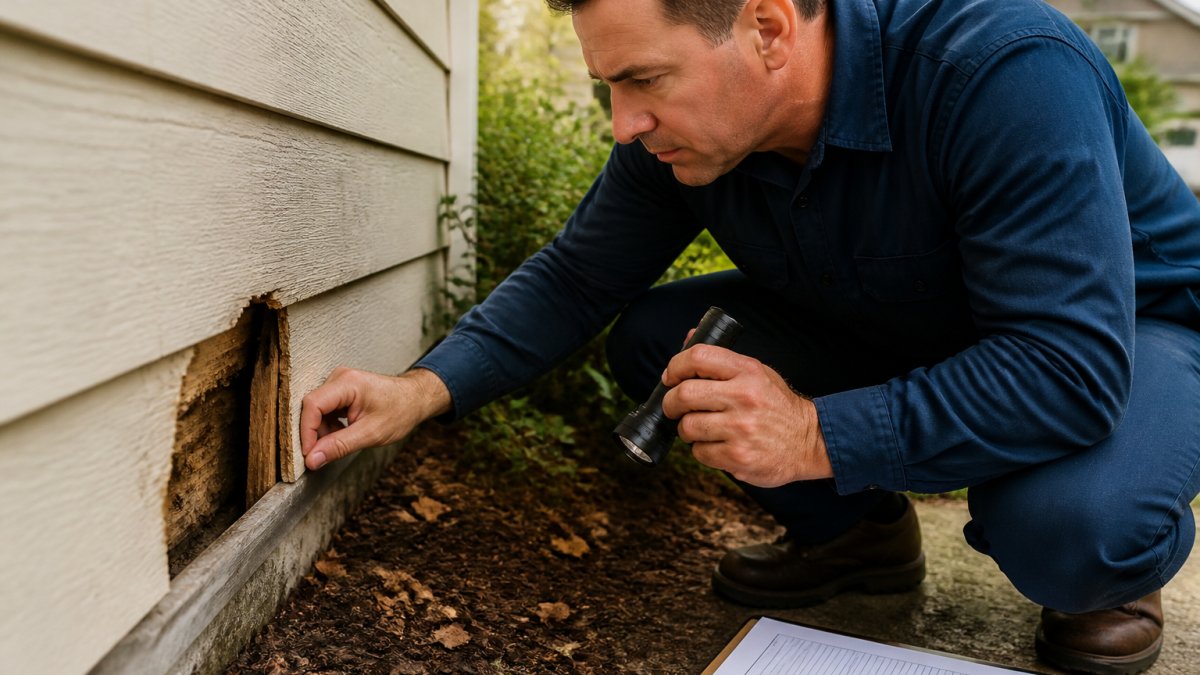
Inspection practices. A thorough inspection should identify the pest, the entry points, and the conditions attracting it, moisture, gaps, vegetation against the foundation, or a food source. Ask each provider whether the inspection is included in the quote, whether the technician documents findings with photos or a written report, and whether the inspection is repeated on follow-up visits or only at the start.
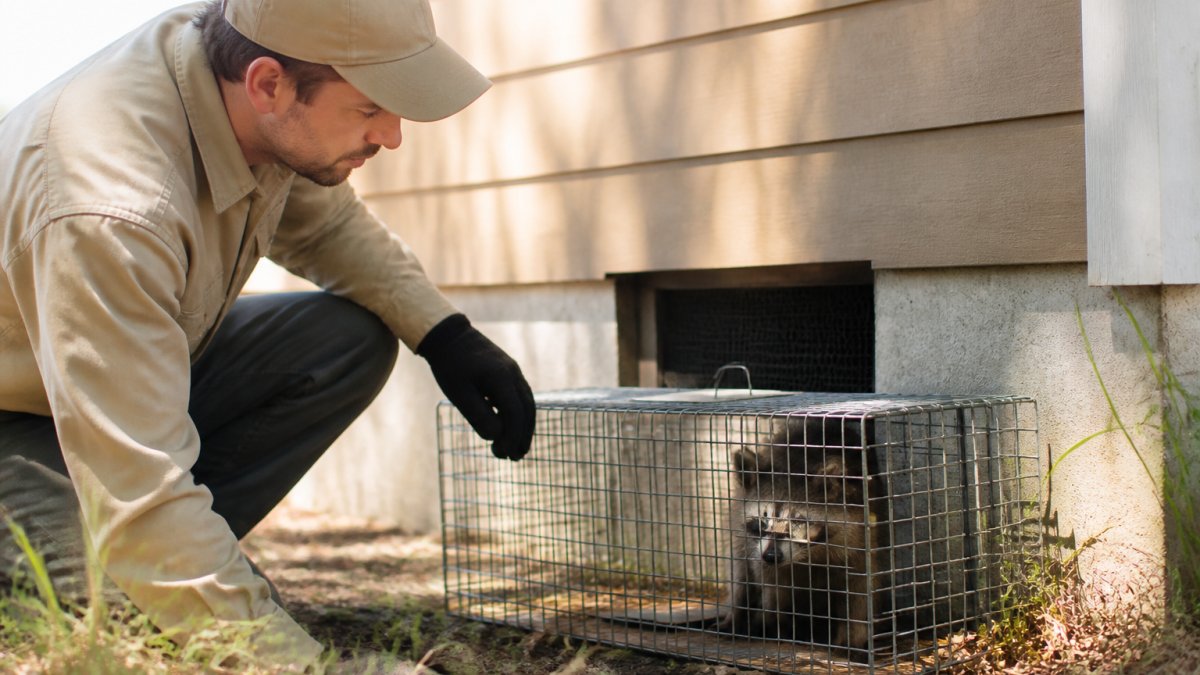
Treatment methods. Methods matter because they determine how long the result lasts. Ask which treatment methods each provider uses, such as baits, residual sprays, traps, or exclusion work (sealing entry points). For termites, ask which treatment options are available and whether a renewable warranty is offered. Dukes offers structural pest control for termites and bed bugs on residential and commercial properties. For wildlife, ask whether removal is paired with exclusion and attic sanitation, since removal without exclusion usually leads to a repeat problem.
Follow-up and guarantee. The follow-up policy is part of scope, not an add-on. Ask how many follow-up visits are included, how quickly a callback is scheduled, and what conditions void the guarantee, for example, if the customer declines recommended exclusion work. A guarantee that requires you to complete every recommended service is common, so read the terms before you compare.
Residential versus commercial. Residential accounts are usually priced and scheduled around the home and the household's tolerance for chemical use, so ask about pet and child precautions and treatment timing. Look at general pest control for ants, roaches, and spiders if your concerns are everyday household pests. Commercial accounts add documentation, inspection logs, after-hours or pre-opening service windows, and sometimes compliance reporting for health inspections. If you manage a business, ask each provider for a sample service report and confirm whether the same technician will service your account each visit, since turnover affects consistency.
Licensing and specialized work. Wildlife removal and termite work may be regulated separately from general pest control, so ask which license applies to your specific problem and confirm the provider holds it. A company that is strong on general pests may subcontract wildlife or termite work, which changes who you call when something goes wrong.
A practical way to compare scope is to write your pest list and property type at the top of a page, then have each provider confirm in writing which items are included, which are add-ons, and which are excluded. That single document will tell you more than any marketing page, and it makes the two quotes genuinely comparable.
Presto-X Service Area and Availability Outside Major Metros
Service area is often the deciding factor for rural and small-town properties. Some companies serve only the metro area and charge extra travel fees or decline calls outside it.

Dukes Pest & Wildlife serves a 30-mile radius around Grove, OK. Check our local service coverage for towns near you. If you live farther out, call before you assume you are covered. Ask Presto-X the same question about its service radius and whether its technicians visit your specific town regularly.
Availability is also part of service area. Ask how soon a technician can come out for an urgent problem such as termite damage or a raccoon in an attic.
How to Run a Pest Control Company Comparison of Your Own
You do not need special training to compare pest control companies. You need a consistent process. Follow these steps:
- List your pests and problem areas. Note where you have seen activity and how long it has lasted.
- Request written quotes from at least two providers. Ask each one for the same scope, frequency, and contract terms.
- Compare total annual cost, including renewals and add-on charges.
- Ask about the guarantee and callback policy in writing.
- Confirm licensing. For wildlife work, ask specifically about the license that applies.
- Check recent reviews and note patterns, not isolated comments.
- Ask what happens if the problem returns before you sign.
Keep a simple table of your results. Columns for scope, annual cost, guarantee length, and service area make the differences easy to see.
| Factor | What to Ask | Why It Matters |
|---|---|---|
| Scope | Which pests are included? | Prevents gaps in coverage |
| Annual cost | What is the total for 12 months? | Avoids hidden renewal increases |
| Guarantee | How long, and what conditions apply? | Shows how callbacks are handled |
| Service area | Do they serve your town? | Confirms they will actually come out |
| Licensing | Which licenses apply to your problem? | Matters most for wildlife work |
Choosing Between Terminix and Presto-X for Your Property
The right choice depends on your situation. A national brand may suit a homeowner who wants a standardized plan and is comfortable with a larger company's process. A local provider may suit a rural property that needs fast response and a team that knows the area.
If your problem is a single pest in a single room, a one-time treatment may be enough. If you have recurring problems or a property that needs ongoing protection, compare multi-year plans and the callback policy closely.
Whichever provider you consider, get written answers to the questions above before you sign. If you want a quote from Dukes Pest & Wildlife, request one from our website.
Frequently Asked Questions
Is Presto-X the same as Terminix?
No. Presto-X and Terminix are separate pest control companies with their own service plans, pricing structures, and service areas. Terminix is a large national provider, while Presto-X operates under its own brand. Because they are distinct businesses, their coverage, technician training, and contract terms can differ. Before signing, confirm which company will actually perform the work, what is included in the plan, and whether the provider holds the state licenses required for the pests you need treated.
How much does Presto-X pest control cost?
Presto-X pricing depends on the property size, the pests involved, the treatment type, and whether you choose a one-time service or a recurring plan. Published national price averages are not reliable for a specific quote, so request a written estimate for your property. Ask for the initial service fee, the recurring monthly or annual charge, any renewal terms, and what happens if pests return between visits. Compare quotes on the same basis, including scope and guarantee length, before deciding.
How do I check a pest control company's service area and licensing?
Start by asking the company for its service area by ZIP code or town, then confirm that your address is covered. Ask for the license numbers held by the company and its technicians, and verify them through your state's pesticide or structural pest control regulator. For Oklahoma, the Oklahoma Department of Agriculture, Food and Forestry oversees pesticide applicator licensing. For nuisance wildlife such as raccoons or bats, check for a separate wildlife control license, since general pest licenses do not cover trapping or removing wildlife.
What should I ask before hiring a pest control company?
Ask what pests are covered, whether the price includes follow-up visits, and how long the guarantee lasts. Find out if the company inspects for the source of entry or only treats visible activity, since recurring problems often trace back to unsealed gaps. Request proof of licensing and insurance, and ask how technicians handle missed appointments. Get the full contract in writing and read the cancellation terms before you agree to a recurring plan.