 Ultimate guide
How to Choose a Pest Control Company: A Homeowner's Guide
Last Updated: November 22, 2026
Quick Summary
To choose pest control company, verify the provider's state license and insurance first, then compare what each quote includes, such as inspection, follow-up visits and warranty terms. The cheapest quote is often the one that leaves out the steps that prevent repeat infestations.
- Check the company's license number on your state agency's public lookup before scheduling any service.
- Ask for a certificate of insurance and confirm the policy is current with stated coverage limits.
- Confirm the company holds the specific license your pest requires, such as nuisance wildlife for raccoons or bats.
- Compare written quotes on inspection, treatment method, number of visits, and warranty terms, not price alone.
- Read the contract for auto-renewal dates, cancellation notice periods, and guarantee exclusions before signing.
Table of Contents
- Why the Right Pest Control Company Matters More Than the Lowest Price
- Step 1: Verify Licensing, Insurance, and Pest-Specific Training
- Step 2: Compare Services, Treatment Methods, and Integrated Pest Management Options
- How to Choose a Pest Control Company for Roaches
- Pest Control Company Reviews and Ratings: What to Trust and What to Question
- Comparing Quotes, Contracts, Guarantees, and Costs
- Is Pest Control Worth It? Weighing the Cost Against Ongoing Damage
- Booking Your Inspection in Grove and Northeast Oklahoma
- Frequently Asked Questions
Why the Right Pest Control Company Matters More Than the Lowest Price
Choosing how to choose pest control company is less about finding the cheapest quote and more about finding a provider who will actually solve the problem.
A useful way to frame the decision is to ask what you are actually buying. The EPA guidance on integrated pest management describes this approach as combining inspection, monitoring, and targeted treatment rather than relying on routine applications alone.
Cheap quotes often leave out the inspection, follow-up visits, or entry-point repairs. That gap is where repeat infestations come from.
Watch out: A quote that promises to "eliminate" a pest in a single visit with no inspection is a warning sign. Ask what the technician will look for before any product goes down.
Step 1: Verify Licensing, Insurance, and Pest-Specific Training
Licensing is the first filter when deciding how to choose pest control company. Pesticide application is regulated at the state level, and the licensing agency in your state is the authority to check (the EPA).
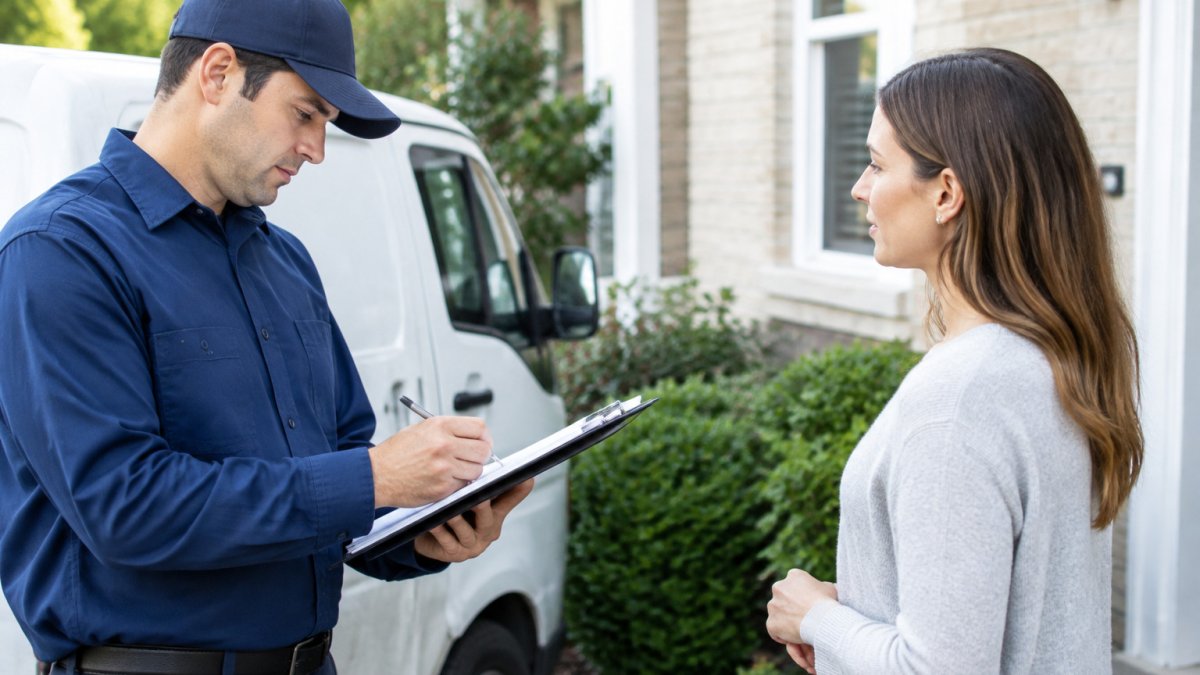
Verification is more than a phone call. You can review Dukes Pest & Wildlife's licensing and certification details to compare against what the company has told you.
Ask for a certificate of insurance as well.
Pest-specific training matters because the same license can cover very different skills. A technician who handles ants and spiders may have little experience with termites or bats.
Checking General Pest and Nuisance Wildlife Licenses
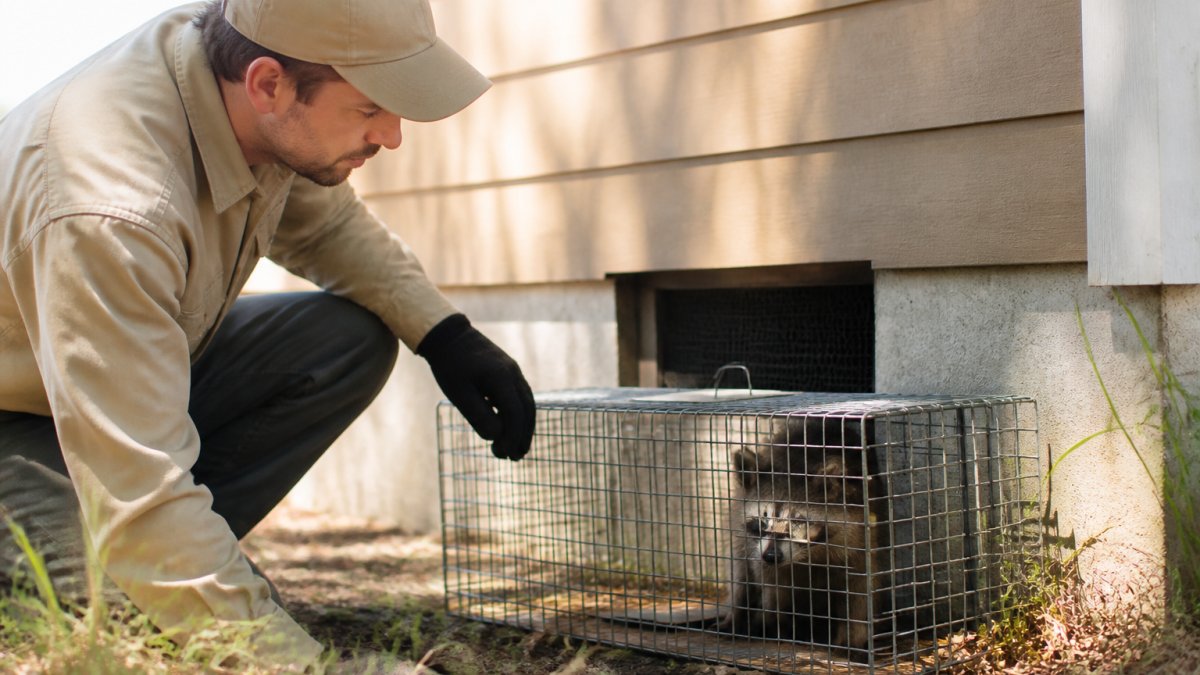
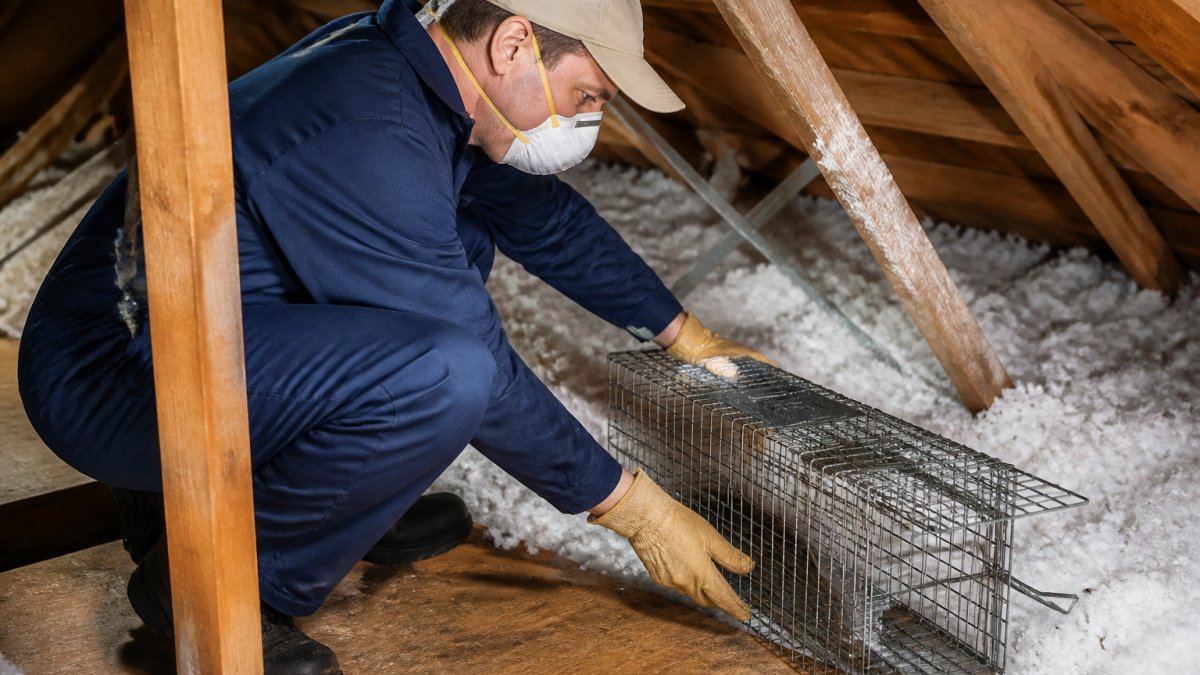
Many states issue separate credentials for general pest control and for nuisance wildlife removal. Raccoons, bats, opossums, and squirrels typically fall under wildlife rules, which often require a different license than treating insects.
Dukes Pest & Wildlife holds both a General Pest License and a Nuisance Wildlife Control License. You can check the company's licensed nuisance wildlife removal service for raccoons, bats, and opossums.
How to Report a Problem or Check Complaint History
Before you hire, ask your state pesticide regulator whether the company has any disciplinary actions or complaints on record. Many agencies publish enforcement actions or offer a consumer inquiry line.
If a problem arises after treatment, document it: keep the service agreement, the estimate, receipts, and photos of the pest activity.
Watch out: A company that cannot produce a license number or insurance certificate on request, or whose license lookup shows an expired or out-of-category credential, is not a safe hire regardless of price.
Step 2: Compare Services, Treatment Methods, and Integrated Pest Management Options
Start by asking what the service includes. Integrated pest management, the approach promoted by the University of Florida IFAS extension on integrated pest management, emphasizes monitoring, exclusion, sanitation, and the least hazardous effective control.
Ask whether the company offers lower-risk options, such as sealing entry points, trapping, or targeted baiting, alongside any liquid treatments. You can review the general pest control services Dukes Pest & Wildlife offers in Grove and Miami for ants, roaches, and spiders.
Service type also matters. A one-time treatment can address an active problem, while a recurring plan includes periodic inspections and retreatments to prevent a return. Neither is always right.
The article compares the main service options a homeowner should ask about before booking.
| Option | Best for | Key difference |
|---|---|---|
| One-time treatment | Active, isolated problem | Addresses current activity only |
| Recurring plan | Ongoing or returning pests | Includes periodic inspections and retreatments |
| Integrated pest management | Preventing repeat infestations | Combines monitoring, exclusion, sanitation and targeted control |
| Liquid treatment | Visible or spreading insects | Applied as sprays; ask about products used |
| Sealing and trapping | Entry points and lower-risk control | Lower-risk options offered alongside liquids |
How to Choose a Pest Control Company for Roaches
Roaches hide in wall voids, behind appliances, and in plumbing gaps, so a technician who sprays only the visible areas will miss much of the population.
When you compare providers for roach control, ask whether they will inspect for harborage sites, use gel baits in addition to sprays, and schedule a follow-up visit to check results.
Roach treatment is also one area where sanitation matters.
Pest Control Company Reviews and Ratings: What to Trust and What to Question
Online reviews are useful, but they need context. Look for patterns across many reviews rather than a single star rating.
Read the negative reviews as carefully as the positive ones. Complaints about repeat visits that never solved the problem tell you more than complaints about a late arrival.
Verify what you read by asking the company for references you can call, and by checking with your state licensing agency for any complaints or disciplinary actions.
Comparing Quotes, Contracts, Guarantees, and Costs
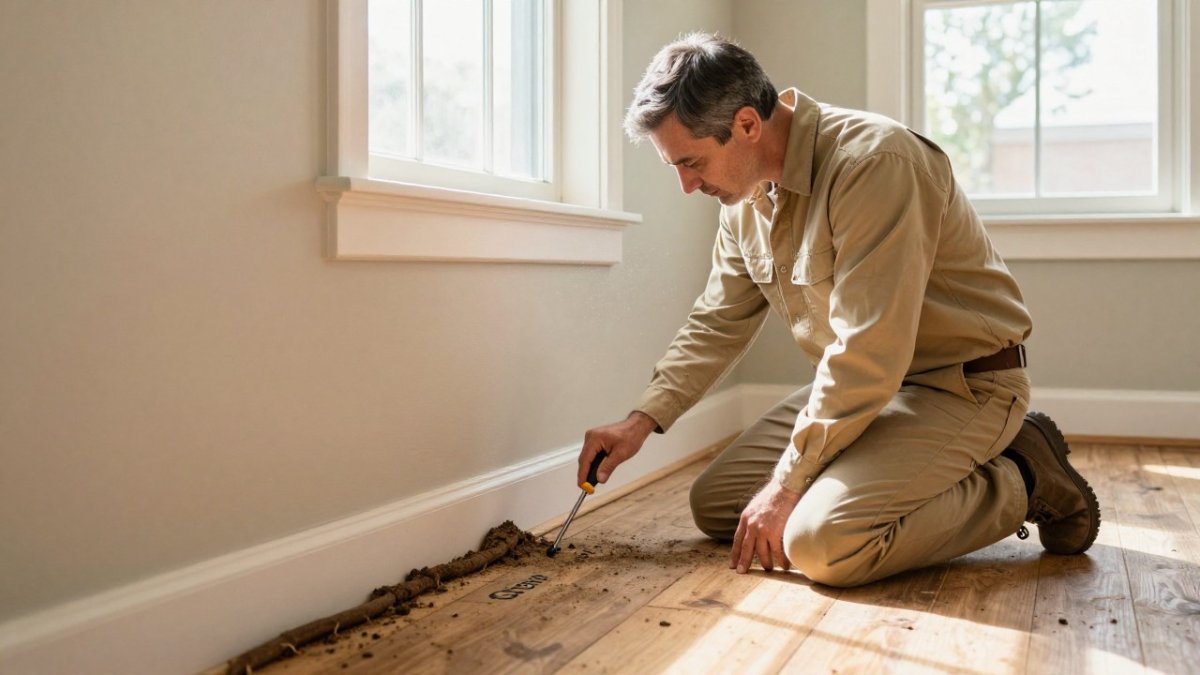
Pricing depends on the size of your home, the pest involved, the treatment method, and how many visits are needed. You can see the structural pest control service Dukes Pest & Wildlife offers for termites and bed bugs and what it covers.
When you compare written estimates, check that each one lists the same scope of work: the inspection, the treatment method, the number of visits, the follow-up schedule, and the warranty terms.
Read the service agreement before signing. Look for the cancellation terms, how long any guarantee lasts, what it covers, and whether retreatments between visits cost extra. A written guarantee should state what happens if the pest returns within the covered period.
Contract Terms to Check Before You Sign
Service agreements vary widely, and the details matter more than the price. Check the contract length and whether it renews automatically.
Look at what the guarantee actually covers. Many guarantees cover retreatment for the same pest within a set period but exclude new infestations, damage repairs, or pests not named in the agreement.
Check the exclusions. Contracts often exclude certain pests, certain areas of the home, or conditions like hoarding or structural defects that make treatment ineffective.
Quote-Comparison Worksheet
Use this worksheet when comparing quotes so you compare equivalent services rather than price alone:
- Inspection included? (Yes / No)
- Treatment method and products named? (Write them down)
- Number of visits and follow-up included? (Write the number)
- Warranty length and what it covers? (Write the terms)
- Cancellation terms and notice period? (Write the notice period and any fee)
- Auto-renewal? (Yes / No, and the notice date)
- Exclusions and conditions? (Write them down)
- Total annual cost, including retreatments? (Write the figure)
Watch out: A contract that auto-renews with a short cancellation window, or a guarantee that excludes the exact pest you are treating, can cost more over a year than a higher-priced plan with clear terms.
Is Pest Control Worth It? Weighing the Cost Against Ongoing Damage
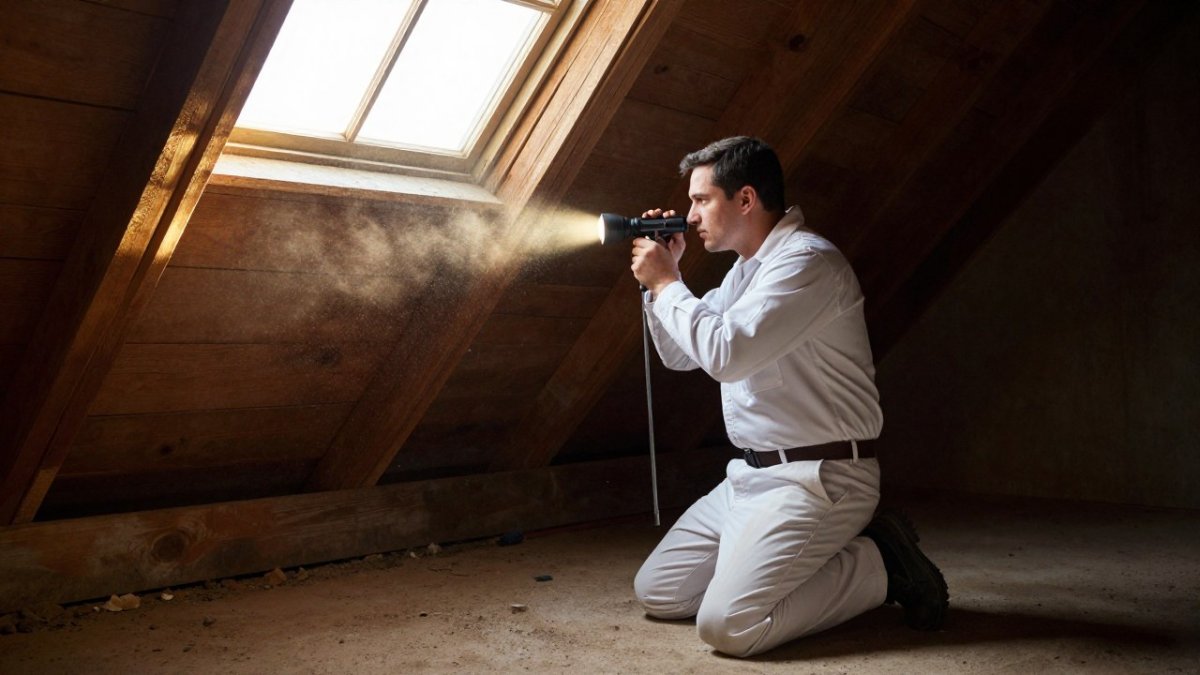
Pest control is worth it when the alternative is ongoing damage. Termites can compromise structural wood, rodents can damage wiring and insulation, and bats in an attic can create health and cleanup concerns.
The question is not whether to spend money but whether the spending addresses the problem. A one-time spray for a recurring problem will likely cost you again within months.
For minor, isolated pests, do-it-yourself measures can work. Keep food sealed, fix leaks, and seal visible gaps.
Booking Your Inspection in Grove and Northeast Oklahoma
If you are dealing with pests in Grove, Miami, or the surrounding Northeast Oklahoma communities, the first step is a professional inspection.
Dukes Pest & Wildlife serves homeowners and property owners in this area with general pest control and licensed humane wildlife removal. You can contact Dukes Pest & Wildlife to schedule an inspection and ask any of the questions in this guide.
Before you book, have these details ready: the pest you have seen, where you have seen it, how long the problem has been going on, and any past treatments.
Frequently Asked Questions
Is $50 a month a lot for pest control?
A flat $50 monthly figure can be reasonable or too low depending on what is included. Recurring plans usually cover routine exterior treatments, while active infestations, wildlife removal, and structural repairs are often billed separately. Pricing depends on the size of your home, the pest involved, the level of infestation, and the services included. Ask for a written estimate that lists exactly what the monthly fee covers, how many visits are included, and what costs extra. For current pricing and a quote specific to your property, contact Dukes Pest & Wildlife directly.
What questions should I ask a pest control company before hiring?
Ask whether the company holds the correct state licenses for the work you need, including a General Pest license and, for wildlife such as raccoons or bats, a Nuisance Wildlife Control license. Ask who will inspect your home and how they will locate entry points rather than only setting traps. Request a written scope of work, the treatment methods and products used, and whether they are family-safe and pet-safe. Confirm the guarantee terms, retreatment policy, cancellation rules, and whether follow-up visits are included.
How can I tell if a pest control company is licensed and insured?
Ask for license numbers and verify them with the state agency that regulates pesticide applicators. Wildlife removal companies should also hold a Nuisance Wildlife Control license. Request a certificate of insurance showing general liability coverage and confirm it is current. A reputable company will provide these documents without hesitation. If a provider is vague or pressures you to skip verification, treat that as a warning sign.
Should I choose a local pest control company or a national chain?
A local company often provides more personal follow-up, familiarity with regional pests such as termites and wildlife common in Northeast Oklahoma, and direct access to the technician who inspected your home. National chains may offer broader branding and standardized plans, but service quality can vary by branch. Compare the specific services, licensing, guarantee terms, and written quotes from each option rather than deciding on size or advertising alone. Dukes Pest & Wildlife, a third-generation family business, can be contacted directly for an inspection and quote.
What is the worst pest to have in your house?
The answer depends on the situation. Termites and rodents often cause the most structural damage, since termites feed on wood and rodents can gnaw wiring and insulation, creating fire and health risks. Wildlife such as raccoons or bats can damage roofs and attics and may carry diseases in droppings. Roaches and other insects spread contamination and can trigger allergies. Early inspection is the best way to limit damage regardless of which pest is involved.
How do I know a pest control company can solve the problem permanently?
No provider can promise that pests will never return, but you can judge how durable a solution is. Look for a company that identifies and seals entry points, addresses conditions that attract pests, and explains its monitoring and retreatment policy in writing. Ask whether a guarantee covers retreatment within a set period and what conditions apply. Long-lasting results usually come from fixing the root cause rather than repeated spot treatments.
What should I expect before, during, and after a pest control treatment?
Before treatment, expect an inspection that identifies the pest, its entry points, and conditions that support it, followed by a written scope of work. During treatment, technicians should explain the products used, which areas need to be vacated or covered, and any safety precautions for children and pets. After treatment, expect follow-up instructions, a schedule for any monitoring visits, and clear information about when to call if activity continues.
Does Dukes Pest & Wildlife handle wildlife removal, or do I need another company?
Dukes Pest & Wildlife holds a Nuisance Wildlife Control license and a General Pest license, so it can handle both structural pest control and humane nuisance wildlife removal such as raccoons and bats. Handling both services with one provider means you avoid coordinating multiple companies. Contact the company for an inspection to confirm service availability for your property and to receive a quote.