 Listicle
Common Nuisance Wildlife in Oklahoma: A Species Guide
Quick Summary
The nuisance wildlife most often found around Oklahoma homes are raccoons, opossums, skunks, bats, rodents, and squirrels, with coyotes, armadillos, and beavers added on rural land. Raccoons and bats cause the most structural and health concerns, and most of these animals enter through attics, crawlspaces, garages, and sheds.
- Raccoons are among the animals most likely to cause structural damage around homes.
- Attic scratching or thumping at dusk or early morning often points to raccoons, squirrels, or rodents.
- Tape or dust placed over a suspected entry point overnight shows whether animals are actively moving through it.
- Do not seal an opening until you are certain no animals are inside, and wait about a week of observation.
- Homeowners should confirm any hired operator holds a license that covers the specific species involved.
Table of Contents
Which Nuisance Wildlife Shows Up Most Often in Oklahoma
Oklahoma homeowners deal with a surprisingly consistent set of nuisance animals, and most of them show up in the same places: attics, crawlspaces, garages, sheds, and yards. Knowing which species are most likely to visit your property is the first step toward handling the problem before it becomes expensive. This common nuisance wildlife in Oklahoma guide walks through the species most often seen around homes, how to recognize them, and when to bring in a licensed operator.
Raccoons, opossums, skunks, bats, rodents, and squirrels are the animals most likely to cause trouble around a home. Rural properties add coyotes, armadillos, and beavers to the list. The mix depends on whether you live in town, on the edge of a subdivision, or on acreage near water and wooded land.
Common nuisance species at a glance:
| Species | Where They Usually Appear | Main Problem |
|---|---|---|
| Raccoons | Attics, chimneys, garbage cans | Torn insulation, noise, droppings |
| Opossums | Crawlspaces, sheds, pet food areas | Droppings, scavenging |
| Skunks | Under decks and porches | Odor, digging |
| Bats | Attics, wall voids | Droppings, health concerns |
| Rodents | Walls, pantries, garages | Gnawing, contamination |
| Squirrels | Attics, soffits, roof edges | Chewed wiring, entry damage |
| Coyotes | Rural yards, pastures | Predation on pets and livestock |
| Armadillos | Lawns, flower beds | Digging, burrows |
| Beavers | Ponds, creeks, drainage areas | Tree damage, flooding |
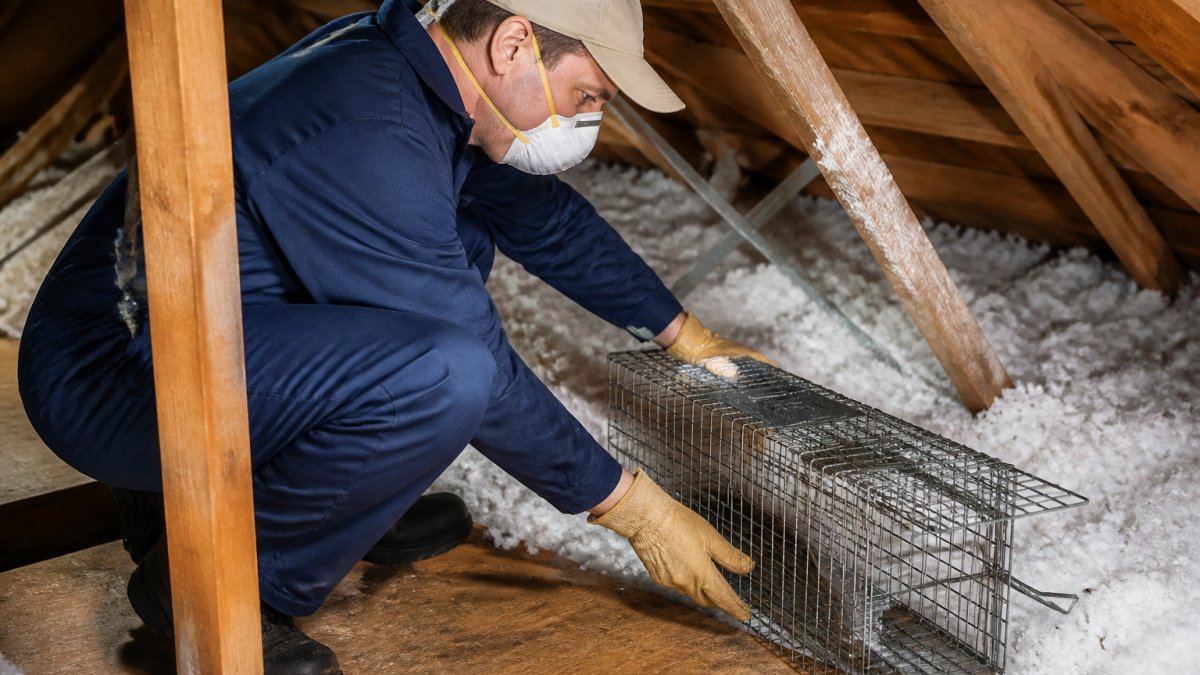
Raccoons are among the animals most likely to cause structural damage around homes. Attics give them a warm, dry place to raise young, and they can tear through soffit vents and roof edges to get in. For the full process, see step-by-step raccoon attic removal. Bats follow closely behind, mainly because their droppings build up and their presence raises health questions for families.
Raccoons, Opossums, and Skunks Near Homes
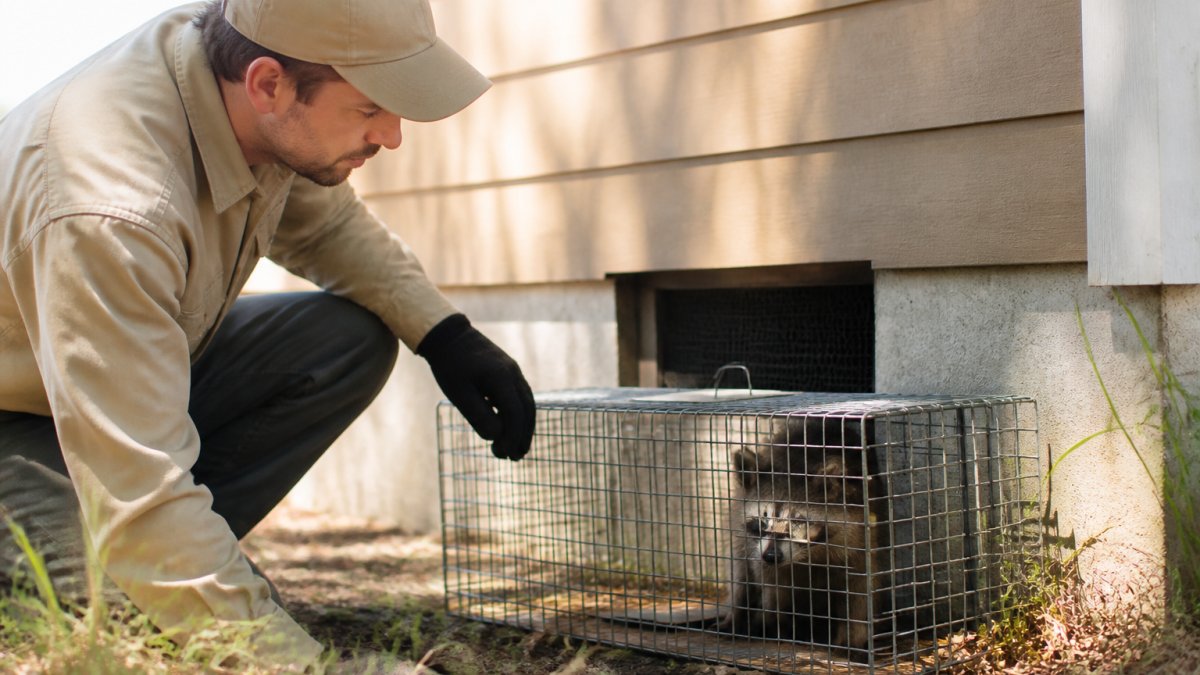
Raccoons are among the most common nuisance animals found near homes. They are clever, persistent, and comfortable around people, which makes them difficult to keep out once they find an entry point. A raccoon will return to the same den site year after year if it is not sealed.
Opossums are less destructive but still a nuisance. They tend to wander into garages, sheds, and crawlspaces looking for food and shelter. Opossums are often found under decks and near pet food bowls.
Skunks dig under porches and decks to create dens. The bigger concern is the odor if a skunk is startled or threatened, which is why homeowners should never try to corner one. Keep pet food indoors, close off crawlspaces, and secure trash cans to reduce the attraction.
Watch out: trying to trap or relocate a raccoon or skunk yourself can lead to bites, scratches, and disease exposure. Call a licensed operator instead.
Signs of Wildlife in the Attic and How to Confirm It
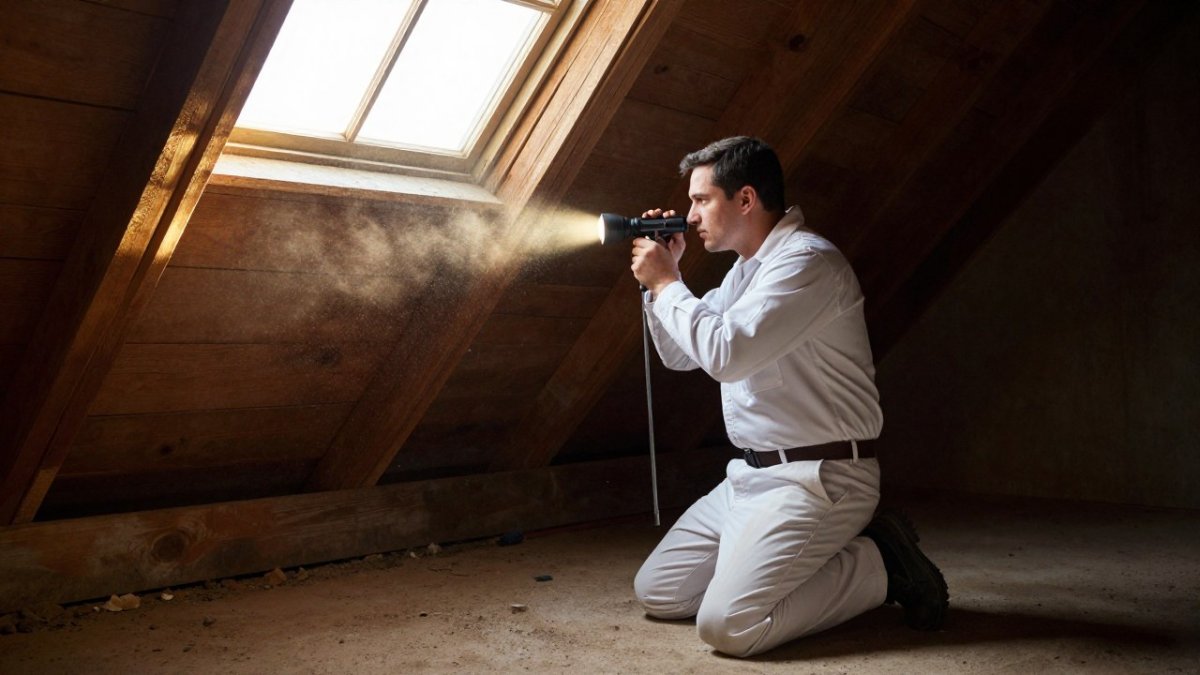
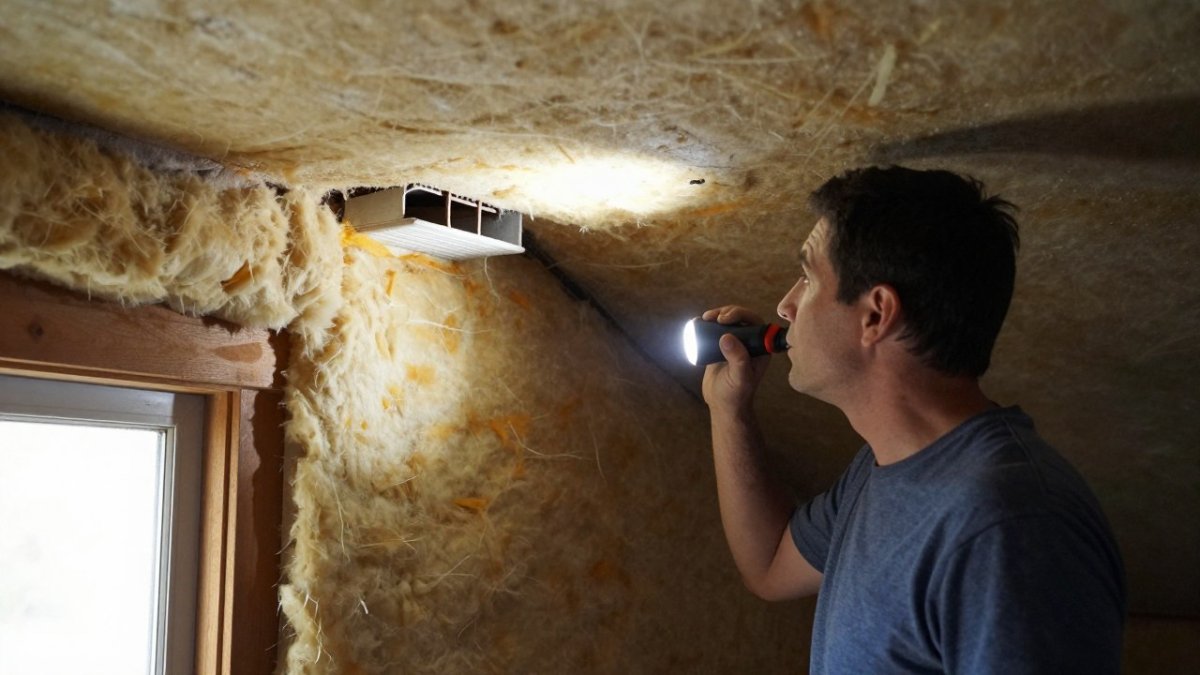
Attic activity is often the first sign of a larger problem. Scratching, thumping, or scurrying sounds at dusk or early morning usually point to raccoons, squirrels, or rodents. Bats are quieter but leave clues such as dark stains along wall edges and a musty smell.
Look for these signs to confirm what is living above you:
- Droppings: Raccoon droppings are large and tubular, while bat droppings crumble easily and look like dark grains.
- Torn or matted insulation: Animals often nest in insulation and pull it into piles.
- Damaged vents or soffits: Look for pried-open vents, chewed wood, or gaps around the roof edge.
- Greasy rub marks: Dark smudges along entry points show where animals travel repeatedly.
- Odor: A strong ammonia smell often comes from urine buildup in the attic.
A simple confirmation step is to place a few pieces of tape or dust across a suspected entry point overnight. If it is disturbed by morning, you have active movement.
Bats, Rodents, and Squirrels: Identification and Health Risks
Bats are protected in many situations, so removing them requires care and legal compliance. Our guide on safe bat removal for homeowners explains what is possible on your own. Their droppings, called guano, can carry fungal spores and other pathogens, so avoid sweeping or vacuuming them without protection (the CDC).
Rodents such as mice and rats chew wires, contaminate food, and spread disease through urine and droppings. Squirrels are active during the day and can chew through electrical wiring, which creates a fire risk.
Health precautions matter for every species on this list. Wear gloves and a respirator when cleaning droppings, and ventilate the area before you go in. If anyone in the household has asthma, a weakened immune system, or a bite or scratch, contact a doctor promptly.
Coyotes, Armadillos, and Beavers on Rural Land
Rural and semi-rural properties face a different set of challenges. Coyotes are the predator most people worry about. They can prey on small pets and poultry, and they are most active at dawn and dusk. Secure chicken coops and keep pets supervised outdoors.
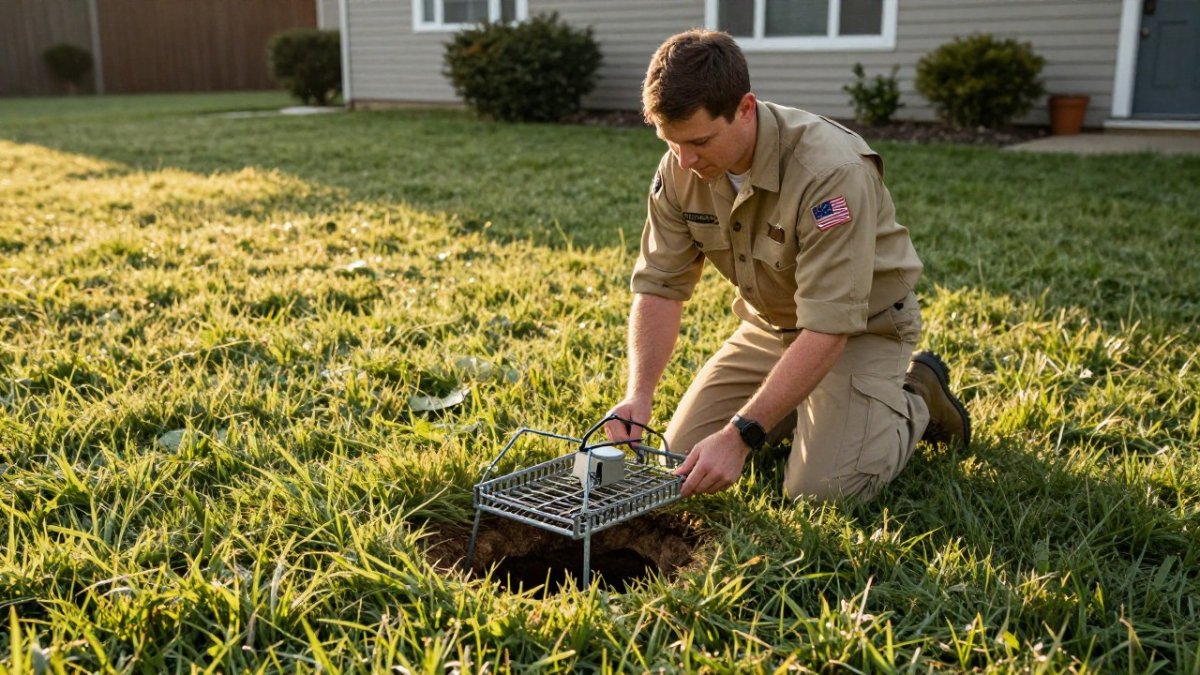
Armadillos dig shallow holes in lawns and flower beds while searching for insects. They are not dangerous to people, but the damage can be frustrating. Beavers build dams that can flood driveways, fields, and low-lying structures, and they cut down valuable trees near water.
Seasonal patterns matter here. Many rural conflicts peak in spring when young animals disperse and in fall when animals search for food and shelter before winter.
How to Keep Raccoons Out of the Attic
Preventing raccoons from entering your attic is far easier than removing them afterward. Start by inspecting the roofline, soffits, vents, and chimney for gaps larger than a few inches.
A practical prevention checklist:
- Install metal mesh over vents and soffits.
- Trim tree branches that hang near the roof, since raccoons use them as climbing routes.
- Cap chimneys with a sturdy cover.
- Keep garbage cans closed and secured.
- Remove pet food and birdseed at night.
- Seal gaps around pipes, cables, and utility entries with metal flashing.
Do not seal an opening until you are certain no animals are inside. Once the animals are gone, learn how to seal attic entry points and air leaks. Trapping young animals inside an attic is a common and avoidable mistake. Wait until the animals have left, usually after a week of observation, before permanent sealing.
Oklahoma Nuisance Wildlife Control Rules and Operator Permits
Wildlife control in Oklahoma is regulated, and the rules affect both homeowners and the businesses they hire.
Homeowners should confirm that any operator they hire is properly licensed before work begins. Ask for proof of the permit, and check that the license covers the specific species involved. You can review Dukes Pest & Wildlife's licensed and certified credentials directly. Licensed operators are familiar with the rules that apply to this work.
Dukes Pest & Wildlife holds a Nuisance Wildlife Control license, which is a specialized credential beyond a general pest control license. For the current permit requirements and official guidance, check with the Oklahoma Department of Wildlife Conservation at Oklahoma Department of Wildlife Conservation nuisance wildlife guidance.
Federal support is also available. The USDA Wildlife Services program provides technical assistance on wildlife damage management, and its resources are free to the public through USDA APHIS Wildlife Services program.
When to Call a Licensed Operator for Wildlife Removal
Some situations are better handled by a professional from the start. Call a licensed operator if you see an animal inside your living space, if you suspect a nest with young, if bats are roosting in your home, or if the damage is structural. You can book licensed nuisance wildlife removal for raccoons, bats, or opossums in the Grove area. Professional removal also makes sense when you have tried DIY methods without results or when an animal seems sick or injured.
Dukes Pest & Wildlife is a third-generation family business with over 40 years of expertise serving Grove, OK, and surrounding areas. Dukes Pest & Wildlife provides humane nuisance wildlife management, focusing on addressing the root cause of pest problems.
Contact Dukes Pest & Wildlife for a quote.
Frequently Asked Questions
What qualifies as a nuisance animal in Oklahoma?
A nuisance animal is generally a wild animal that causes damage to property, threatens health or safety, or repeatedly enters living spaces such as attics, crawl spaces, and garages. Raccoons in attics, bats roosting in walls, and armadillos digging under foundations are common examples. Oklahoma regulates how these animals may be controlled, and some species require specific permits or licensed operators before they can be trapped or relocated. If an animal is injured, or if you are unsure whether it is causing a problem, contact a licensed nuisance wildlife control operator or a wildlife rehabilitator for guidance.
Can nuisance wildlife be relocated in Oklahoma?
Relocation rules in Oklahoma depend on the species and the method used. Many nuisance animals cannot simply be moved to another location, because relocation can spread disease, stress the animal, and may be restricted by state regulations. A Nuisance Wildlife Control Operator permit allows licensed professionals to handle these situations legally. Homeowners should confirm current requirements with the Oklahoma Department of Wildlife Conservation before attempting any trapping or relocation themselves, and should avoid trapping animals that are protected or raising young.
When should I call a licensed wildlife control operator?
Call a licensed operator when an animal has entered your home, when you hear noises in the attic or walls that suggest a den with young, when you see signs of structural damage such as chewed wiring or torn insulation, or when you find a bat inside living space. Licensed operators hold the appropriate wildlife control credentials for this work. Dukes Pest & Wildlife offers these services for homes in Grove and surrounding areas, and current pricing depends on the species and the work required, so request a quote through the company's website.
What should I do if I find a bat or raccoon in my home?
Keep people and pets away from the animal and close the door to the room if possible. Do not attempt to catch or handle a bat without protection, because bats can carry rabies and a bite may not be visible. Raccoons can carry roundworm and rabies, so avoid direct contact and do not feed them. If anyone has been bitten or scratched, contact a medical provider right away. Then call a licensed nuisance wildlife operator who can safely remove the animal and inspect the home for entry points.